







|
Getting your Trinity Audio player ready...
|
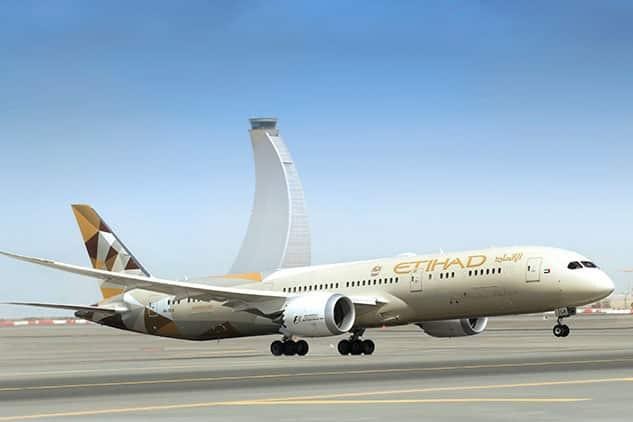
In April 2026, Etihad Airways announced a significant expansion of its African network, introducing six new destinations: Accra (Ghana), Asmara (Eritrea), Harare (Zimbabwe), Kinshasa and Lubumbashi (DR Congo), and Lagos (Nigeria). The rollout is phased between late 2026 and early 2027, with frequencies ranging from three weekly flights to daily service (notably Lagos). This expansion is not isolated. It forms part of Etihad’s broader network growth strategy aimed at strengthening Abu Dhabi as a global aviation hub connecting Africa, Asia, and the Middle East.
Strategic Rationale: Why Africa?
High-Growth Aviation Market
Africa is one of the fastest-growing aviation regions globally, driven by:
Rapid population growth (~2.5 billion by 2050)
Africa’s population trajectory is a primary demand driver for aviation. A larger population translates into increased domestic mobility, regional travel, and international migration flows. As urban populations expand, air travel becomes a necessity rather than a luxury, particularly for business, education, and diaspora connectivity, creating sustained long-term passenger demand.
Urbanization and rising middle-class demand
Urbanization is accelerating across African economies, concentrating economic activity in major cities. This shift is accompanied by a gradual expansion of the middle class with higher disposable incomes. As affordability improves, air travel demand increases, particularly for business trips, tourism, and intra-African mobility, reinforcing the need for frequent and reliable airline connectivity.
Underdeveloped long-haul connectivity relative to demand
Despite strong demand indicators, Africa remains significantly underserved in long-haul air connectivity. Many routes still rely on indirect or multi-stop travel, increasing cost and travel time. This gap presents a clear market inefficiency, allowing airlines like Etihad to introduce direct or optimized connections and capture unmet demand across key international corridors.
Etihad explicitly identifies Africa as a “high-growth region” with structural gaps in connectivity, particularly in long-haul and cargo services.
Trade and Economic Integration
The expansion aligns with increasing economic ties between Africa and the UAE, particularly in:
Energy and Infrastructure Investments
The UAE has become a key investor in Africa’s energy and infrastructure sectors, financing projects in oil, gas, renewables, and transport networks. Improved air connectivity facilitates executive mobility, project supervision, and capital deployment. This strengthens bilateral economic ties and accelerates project timelines, particularly in countries like Ghana, Nigeria, and DR Congo.
Mining and Commodities (DR Congo, Zimbabwe)
Countries like DR Congo and Zimbabwe are central to global supply chains due to minerals such as cobalt, lithium, and gold. Enhanced flight routes improve logistics for investors, technical experts, and high-value cargo movement. This reduces delays and supports more efficient extraction, export operations, and integration into global industrial and manufacturing ecosystems.
Logistics and Trade Corridors
Air connectivity strengthens logistics networks by linking African markets directly to Middle Eastern and Asian hubs. This improves the speed and reliability of transporting high-value and time-sensitive goods such as perishables, pharmaceuticals, and electronics. As a result, businesses benefit from reduced lead times, better inventory management, and increased competitiveness in international trade.
The airline noted that demand is being driven by trade, investment, and cargo flows between Africa and Asia.
Hub Strategy: Abu Dhabi as a Global Connector
Etihad’s expansion reinforces a hub-and-spoke model, positioning Abu Dhabi as a transit gateway:
Africa → Abu Dhabi → Asia (China, India, Southeast Asia)
This corridor is designed to optimize connectivity between African economies and high-demand Asian markets. Passengers and cargo from cities like Accra or Lagos can transit efficiently through Abu Dhabi into major commercial hubs such as Shanghai, Mumbai, and Singapore. This reduces travel fragmentation, lowers transit times, and supports trade flows in commodities, manufacturing inputs, and business travel demand.
Africa → Abu Dhabi → Europe and Middle East
The Abu Dhabi hub enables streamlined access from African cities into key European capitals and Gulf markets. Instead of relying on multiple regional carriers, travelers can connect through a single, integrated network. This improves schedule reliability, reduces layover complexity, and strengthens business, tourism, and diplomatic linkages between Africa, Europe, and the broader Middle East region.
This creates single-connection travel corridors, reducing travel time and improving efficiency.
Operational Details and Route Economics
Key observation: The mix of frequencies reflects market maturity and demand elasticity. Lagos receives daily flights due to high demand, while emerging markets receive phased capacity.
Financial and Performance Context
Etihad’s expansion into Africa is underpinned by strong financial recovery and operational performance. In 2025, the airline carried approximately 22.4 million passengers, reflecting a 21% increase year-on-year. Net profit rose by nearly 50% to about $698 million, supported by high load factors averaging 88%. Fleet expansion to around 127 aircraft has enhanced capacity and route flexibility. This improved financial position enables Etihad to invest confidently in emerging markets, particularly across Africa’s high-growth but underserved aviation corridors.
Competitive Landscape
Etihad’s move places it in both direct and indirect competition with: Etihad’s expansion intensifies competition with major Middle Eastern carriers like Emirates and Qatar Airways, while also challenging African leaders such as Ethiopian Airlines and Kenya Airways. By targeting underserved routes and leveraging partnerships, Etihad positions itself strategically to capture emerging demand and strengthen its presence in Africa’s evolving aviation and trade landscape.
However, Etihad differentiates itself through:
Targeted underserved routes (e.g., Asmara, Lubumbashi)
Etihad is deliberately entering markets that are either underserved or overlooked by major global carriers. Routes like Asmara and Lubumbashi have limited direct long-haul connectivity despite economic relevance. By deploying capacity early, Etihad captures unmet demand, builds brand loyalty, and secures long-term market positioning before competition intensifies in these emerging corridors.
Strategic partnerships (e.g., Ethiopian Airlines collaboration)
Rather than operating in isolation, Etihad leverages partnerships to extend network reach and operational efficiency. Collaborations with established African carriers such as Ethiopian Airlines allow access to domestic and regional feeder traffic. This improves load factors, reduces operational risk, and strengthens connectivity across secondary cities without requiring full-scale direct route investments initially.
Broader Economic Impact on Africa
Trade Facilitation
Improved air connectivity reduces transit times and logistics costs, making African exports more competitive in global markets. Perishable goods such as fruits, pharmaceuticals, and flowers benefit significantly from faster delivery. It also enhances supply chain reliability, supports just-in-time production, and strengthens regional value chains, particularly under AfCFTA, by linking producers to international buyers more efficiently.
Tourism Growth
Direct and frequent flights lower travel barriers, making African destinations more accessible to international tourists, especially from the Gulf and Asia. Increased visitor flows boost hospitality, transport, and local service sectors. It also encourages business tourism and conferences, while improving destination visibility. Over time, this supports foreign exchange earnings and job creation across tourism-dependent economies.
Investment Flows
Air connectivity is a critical enabler of foreign direct investment by improving ease of doing business and executive mobility. Investors can access markets faster, conduct site visits efficiently, and manage cross-border operations with less friction. Enhanced connectivity also signals market openness, attracting capital into sectors such as infrastructure, energy, real estate, and manufacturing across emerging African economies.
Outlook: What This Means Going Forward
Etihad’s expansion signals a broader shift:
Africa is becoming central to global aviation strategy
Africa is no longer treated as a peripheral aviation market but as a core growth frontier. Rising population, urbanization, and increasing middle-class travel demand are attracting global carriers. Airlines are now prioritizing African routes to capture future passenger volumes, cargo flows, and long-term network relevance in a rapidly evolving global aviation ecosystem.
Middle East carriers are deepening their dominance
Airlines from the Gulf are consolidating their position as key connectors between Africa, Asia, and Europe. With strong hubs, modern fleets, and efficient transit systems, they are capturing intercontinental traffic. This dominance is reinforced by strategic route expansion, competitive pricing, and superior service, gradually outpacing many African and European carriers on long-haul routes.
Cargo and trade flows are now as important as passenger traffic
Airlines are increasingly structuring routes around cargo demand, not just passenger volumes. Africa’s exports, particularly minerals, agriculture, and energy resources, require efficient air logistics. Belly cargo capacity on passenger flights enhances trade efficiency, making aviation a critical enabler of supply chains, industrial growth, and cross-border commerce in emerging African markets.
In practical terms, this expansion:
Improves Africa-Asia connectivity
This expansion reduces travel time and dependence on multiple transit hubs by offering more direct or single-stop routes via Abu Dhabi. It enhances passenger convenience, supports business mobility, and strengthens linkages between African markets and major Asian economies like China and India.
Strengthens Abu Dhabi’s role as a logistics and aviation hub
By increasing African routes, Abu Dhabi becomes a more central transit and cargo consolidation point. This enhances its competitiveness against regional hubs, improves cargo throughput efficiency, and positions it as a strategic gateway connecting Africa with Europe, Asia, and the Middle East.
Positions Etihad to capture future demand in emerging markets
Entering underserved African markets early allows Etihad to build brand presence, customer loyalty, and operational experience. As demand grows with economic development and rising incomes, the airline is well-placed to scale operations and secure long-term market share.
The Role of UAE Embassies in Etihad’s Africa Expansion
The expansion of Etihad Airways into Africa is not purely a commercial aviation decision. It is closely aligned with the United Arab Emirates’ diplomatic, economic, and foreign policy strategy, where UAE embassies play a quiet but critical enabling role.
Diplomatic and Economic Enablement
UAE embassies facilitate bilateral air service agreements, securing traffic rights and regulatory approvals for Etihad’s entry into African markets. Simultaneously, they align expansion with trade and investment priorities by promoting business partnerships, identifying high-growth corridors, and stimulating passenger and cargo demand, ensuring routes are both operationally feasible and commercially sustainable.
Global Connectivity and Market Entry Support
UAE embassies advance Abu Dhabi’s role as a global aviation and logistics hub while supporting Etihad’s entry into African markets. They promote transit linkages, provide market intelligence, reduce regulatory risks, and facilitate partnerships. This combined role ensures efficient route integration, strengthens connectivity, and improves the commercial viability of expansion.
Soft Power, Strategic Influence, and National Alignment
UAE embassies leverage aviation expansion to strengthen diplomatic influence, cultural exchange, and economic ties across Africa. At the same time, they ensure alignment with national priorities such as diversification, tourism growth, and global competitiveness, coordinating policy and corporate strategy so Etihad’s expansion supports broader UAE geopolitical and economic objectives.
Final Assessment
This is not just a route expansion. It is a network restructuring strategy aligned with global economic trends. By targeting high-growth but underserved African cities, Etihad is effectively positioning itself at the intersection of aviation, trade, and economic integration across three major regions: Africa, the Middle East, and Asia.


