





|
Getting your Trinity Audio player ready...
|
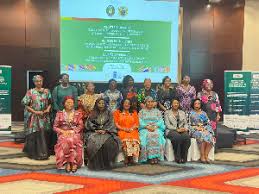
West African Ministers of State gathered in Accra from February 17–20, 2026, for a landmark meeting aimed at addressing the persistent underrepresentation of women and youth in leadership across the region. The meeting is part of the ECOWAS 50th Anniversary Legacy Project, which focuses on promoting gender equality and inclusive governance.
Officials warned that the exclusion of women and young people from decision-making is more than a representation gap—it poses a threat to democracy and limits opportunities for transformative development. The consultation brought together gender experts, civil society actors, development partners, and ECOWAS Human Capital Development programme officials to evaluate participation levels and recommend reforms.
Dr. Isata Mahoi, Sierra Leone’s Minister of Gender and Children’s Affairs, stressed that democracies cannot thrive when women, who make up half of the population, are excluded from leadership. She called for an examination of legal, cultural, economic, and institutional barriers that prevent full participation.
Ghana’s Minister for Gender, Children and Social Protection, Dr. Agnes Naa Momo Lartey, emphasized the need to translate discussions into concrete action. She noted that planning without including women and youth creates gaps in implementing regional and sub-regional conventions.
Sandra Oulate Fattoh, Director of the ECOWAS Centre for Gender Development, highlighted findings from a 2024 study showing that women occupy only 18.4% of parliamentary seats, while youth under 35 are poorly represented. She urged member states to adopt binding legislative measures to reverse these trends.
The four-day consultation included technical sessions (February 17–18) and ministerial and high-level advocacy sessions (February 19–20). Its goal is for member states to implement reforms by 2035 that ensure active participation of women and youth in leadership. The initiative aligns with Africa’s Vision 2063 and the UN Sustainable Development Goals, aiming for gender parity in elected bodies across West Africa between 2025 and 2035.
Source: 3news