





|
Getting your Trinity Audio player ready...
|
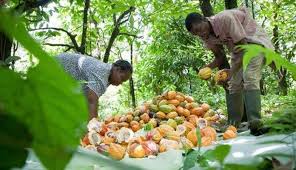
Since November 2025, hundreds of cocoa farmers in Abirim and across Ghana have been left unpaid for the sweat, sacrifice, and hard work they invest daily to sustain one of the country’s most important industries. These are not just farmers; they are the backbone of Ghana’s economy. Yet today, many of them are struggling in silence.
At a time when cocoa continues to shape Ghana’s global identity and economic resilience, the very people who power this sector are being left in the dark. While the current government may be facing financial pressures, the prolonged delay in payments points to a deeper problem: a failure of leadership and accountability within the Ghana Cocoa Board.
The Backbone of Ghana’s Economy
Cocoa remains one of Ghana’s most strategic economic assets. The sector contributes roughly 20 per cent of Ghana’s agricultural GDP and remains one of the country’s top foreign exchange earners, alongside gold and oil. In some years, cocoa has generated over US$2 billion in export revenue, underscoring its enduring economic importance.
The human impact is even more profound. Cocoa supports the livelihoods of more than 800,000 farming households and indirectly sustains the incomes of over 2 million Ghanaians through transportation, warehousing, processing, and trading. In many rural communities, cocoa is not just a crop — it is the local economy.
Yet the average cocoa farm in Ghana is small, typically between 2 to 4 hectares, and largely dependent on manual labour and seasonal income. For many farmers, delayed payments are not an inconvenience; they are a direct threat to household survival.
Ghana’s Role in the Global Cocoa Market
Ghana is the world’s second-largest cocoa producer, accounting for roughly 15–20 per cent of global cocoa supply. Together with Côte d’Ivoire, the country anchors more than 60 per cent of the world’s cocoa production. This makes Ghana indispensable to the global chocolate industry.
From multinational chocolate brands to boutique chocolatiers, Ghanaian cocoa is prized for its quality and flavour profile. The global chocolate market, valued at well over US$100 billion — depends heavily on farmers in places like Abirim. Every delay in farmer payments reverberates across a global value chain that stretches from rural West Africa to supermarket shelves worldwide.
And yet, despite their central role in a multibillion-dollar industry, many Ghanaian cocoa farmers live below the poverty line. Studies have repeatedly shown that a significant percentage of cocoa households earn less than a living income, highlighting a persistent structural imbalance in the value chain.
A Failure of Communication
Leadership is ultimately measured by how it responds in moments of crisis. If payment challenges were foreseeable, when did the Ghana Cocoa Board first recognize the warning signs? What contingency plans were put in place? And why were farmers not promptly informed?
Many farmers say they were left without clear answers for months. This breakdown in communication has compounded frustration and eroded trust. In any sector, but especially one as critical as cocoa, stakeholders must be treated with transparency and respect.
Leadership Must Be Accountable
When new leadership assumed office at the Cocoa Board, there was optimism and renewed hope among farmers. That hope has since faded. The silence and delayed response have created a perception of insular leadership, one disconnected from the realities on the ground. This is not simply about delayed payments. It is about the erosion of confidence in institutions that farmers depend on. Leadership must be visible, responsive, and willing to engage openly with those most affected.
The Wider Economic Risks
Delayed cocoa payments are not just a farmer issue, they are a national economic risk. Cocoa inflows support Ghana’s balance of payments, stabilize rural economies, and contribute to fiscal planning. When farmers are not paid on time, it affects local spending, school attendance, farm reinvestment, and ultimately future production levels.
Inconsistent payments can also accelerate challenges the sector is already facing, including ageing farms, youth disinterest in cocoa farming, illegal mining encroachment, and declining productivity. If farmers lose confidence in the system, the long-term sustainability of Ghana’s cocoa sector could be at risk.
A Call for Urgent Action
Cocoa farmers should be treated with the same seriousness and support afforded to farmers in
developed nations. Governments often speak about ambitious agricultural policies and long-term
strategies, but progress begins with getting the basics right: fair payment, timely communication,
and consistent support.
If Ghana is serious about protecting its cocoa legacy, then immediate action is needed:
• Clear timelines for payment of outstanding arrears
• Transparent communication with farmers
• Emergency financial mechanisms to stabilize farmer incomes
• Structural reforms within the Cocoa Board to prevent future delays
Cocoa farmers are not asking for favors, they are asking for fairness. Their labour fuels an industry that sustains the nation and supplies the world. Ensuring they are paid on time is not a privilege; it is a responsibility.
Ghana’s cocoa story is one of pride, resilience, and global respect. But that story cannot continue if the people at its heart are neglected. It is time to restore trust, deliver accountability, and ensure that cocoa farmers receive the dignity and support they rightfully deserve.
By: William Akoto