



|
Getting your Trinity Audio player ready...
|
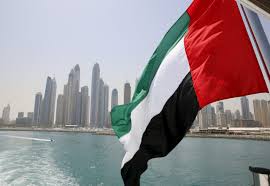
The United Arab Emirates (UAE) maintains its status as a significant global innovation hub through a combination of national strategies, dedicated innovation districts, and specific initiatives in key sectors like finance and technology.
Africa, with its vast human capital and untapped market potential, cannot afford to lag behind. Ghana, in particular, stands at a critical juncture: its partnership with the UAE to establish Africa’s largest Innovation and Technology Hub is a historic opportunity to accelerate economic diversification, digital inclusion, and youth employment.
The UAE as a Model Innovation Hub – What UAE is Doing Right
The UAE’s rapid transformation into a global innovation hub is no accident; it is the product of
deliberate vision, policy, and investment:
Visionary Leadership & Strategy
The UAE’s transformation into a global innovation hub is anchored in visionary leadership and
long-term strategies such as the Centennial 2071 Plan and the National Innovation Strategy.
These initiatives prioritize research, science, and emerging technologies, while ensuring that
innovation is embedded across government, business, and society to drive sustainable
development.
Robust Infrastructure
World-class infrastructure has been central to the UAE’s innovation ecosystem. From Dubai
Internet City to Abu Dhabi’s Hub71, the country has created modern free zones, research parks,
and data centers. These hubs offer advanced facilities, seamless connectivity, and supportive
ecosystems that attract startups, multinational companies, and investors from around the globe.
Favorable Policies & Regulations
The UAE has established an enabling business environment through pro-innovation policies. Tax
incentives, 100% foreign ownership in free zones, simplified business registration, and
intellectual property protections encourage entrepreneurs and investors. Such policies reduce
barriers to entry, build investor confidence, and create fertile ground for entrepreneurship,
technological experimentation, and business expansion.
Global Talent Magnet
Recognizing that human capital drives innovation, the UAE has positioned itself as a magnet for
global talent. Through flexible visa schemes, world-class universities, and partnerships with
global institutions, it attracts scientists, researchers, and entrepreneurs. This diverse talent pool
enriches the innovation ecosystem with expertise, creativity, and cross-cultural collaboration
opportunities.
Focus on Emerging Technologies
The UAE consistently invests in future-oriented industries such as artificial intelligence,
renewable energy, fintech, and biotechnology. By prioritizing these sectors, the country not only stays ahead of global technological trends but also ensures its economy is diversified, sustainable, and resilient against future disruptions in the global economic landscape.
Why Africa and Ghana Must Catch Up (2025 and Beyond)
Harnessing the Demographic Dividend
Africa is the youngest continent in the world, with over 60% of its population under the age of
25. By 2050, Africa’s population will reach 2.5 billion, creating immense pressure on
governments to provide jobs and opportunities. Ghana, with its fast-growing youth population,
risks high unemployment if innovation ecosystems are not developed. By building technology
hubs and digital industries, Ghana can channel this energy into productive sectors, transforming
youthful energy into innovation, job creation, and economic growth.
Economic Diversification and Resilience
For decades, African economies have been heavily reliant on exporting raw commodities such as
oil, gold, and cocoa, leaving them vulnerable to global price volatility. Ghana’s dependence on
cocoa and gold exports exposes its economy to external shocks. By catching up with the UAE’s
innovation model, Ghana can diversify into knowledge-based sectors like fintech, agritech, and
digital services. This shift builds economic resilience, reduces overdependence on primary
goods, and helps Ghana achieve sustainable growth by creating industries that can compete
globally.
Attracting Foreign Direct Investment (FDI)
The UAE has positioned itself as a magnet for global investors through favorable policies,
infrastructure, and innovation ecosystems. Africa and Ghana must follow this path to attract
multinational companies, venture capitalists, and technology firms eager to enter Africa’s large
and untapped market. Innovation hubs offer confidence to investors by ensuring predictable
policies, strong infrastructure, and skilled talent. Ghana’s partnership with the UAE on a $1
billion Innovation Hub signals readiness, but more reforms are required to consistently attract
and retain global FDI.
Driving Global Competitiveness
In the Fourth Industrial Revolution, competitiveness is increasingly defined by technological
capacity and innovation rather than natural resource endowment. Countries that fail to catch up
risk exclusion from global value chains in manufacturing, services, and digital trade. Ghana must
position itself as a digital economy leader in West Africa by strengthening its innovation
capacity. Through the upcoming Innovation Hub, Ghana can establish itself as a hub for AI,
fintech, and e-commerce, boosting competitiveness while integrating more effectively into global
markets.
Localized Solutions for African Challenges
Africa faces unique developmental challenges in agriculture, health, finance, and governance that
cannot always be addressed by imported solutions. By catching up with the UAE’s innovation
approach, Ghana and other African nations can build localized technology-driven solutions.
Examples include mobile banking for the unbanked, AI-powered agricultural tools for
smallholder farmers, and digital health systems to expand access. Building domestic innovation
ecosystems ensures that solutions reflect cultural, economic, and infrastructural realities, making
them more sustainable and impactful in driving inclusive growth.
Reducing the Digital Divide
The digital divide between advanced economies and Africa continues to widen as technologies
like AI, automation, and big data reshape global industries. Without deliberate innovation-driven
strategies, Ghana risks being left behind, unable to compete in the modern digital economy.
Catching up allows Africa to bridge this gap, ensuring equitable access to opportunities in
education, health, finance, and governance. By strengthening digital infrastructure and
innovation capacity, Ghana can ensure that its population benefits from the digital economy
while remaining globally relevant.
Opportunities for Ghana and Africa
Ghana-UAE Innovation Hub
The $1 billion Ghana-UAE Innovation Hub at Ningo Prampram is designed to become Africa’s
largest digital and technology center. Hosting AI labs, global firms, and research institutions, it
has the potential to transform Ghana into a continental innovation leader, while creating
thousands of jobs and fostering cutting-edge entrepreneurship across sectors.
Regional Leadership
With its stable democracy, strategic location, and role in ECOWAS, Ghana can leverage the
Innovation Hub to position itself as the digital gateway to West Africa. By hosting startups and
multinational firms, Ghana could shape regional technology policy, drive cross-border digital
trade, and expand its influence in the African innovation ecosystem.
Diaspora Engagement
Africa’s diaspora holds immense intellectual and financial capital, with Ghana having one of the
most influential diaspora communities worldwide. Engaging skilled professionals abroad in the
Innovation Hub can bring investment, mentorship, and global expertise back home, bridging
knowledge gaps while strengthening Ghana’s global innovation footprint and accelerating
technology-driven industrial transformation.
Public-Private Partnerships (PPPs)
Sustainable innovation ecosystems thrive on collaboration between governments, private
companies, universities, and international investors. Ghana can leverage PPPs to fund
infrastructure, build research capacity, and scale startups from idea to market. Such partnerships
ensure continuity, resource pooling, and collective ownership, making the innovation hub a truly
inclusive growth accelerator for Africa.
Strategic Path Forward for Ghana and Africa
Policy Alignment
African governments, including Ghana, must design and implement coherent national innovation
policies modeled after global best practices. These policies should provide long-term direction,
cut across political cycles, and guarantee consistency in funding and regulations. Clear policy
alignment creates investor confidence, supports innovation ecosystems, and ensures smooth
collaboration between government, private sector, and academia.
Invest in Human Capital
The foundation of any innovation hub is skilled talent. Ghana and Africa must expand STEM
education, promote vocational training, and integrate digital literacy into all learning levels.
Building critical thinking, creativity, and problem-solving skills ensures youth are ready for
future jobs while reducing dependence on expatriate expertise for technology-driven growth.
Strengthen Infrastructure
Innovation cannot thrive without reliable infrastructure. Investments in power supply, broadband
internet, and smart city systems are essential. Ghana must prioritize data centers, affordable
connectivity, and renewable energy solutions. Strong infrastructure enhances business
competitiveness, reduces costs, and attracts global technology firms, creating a robust platform
for digital services and industrial innovation.
Mobilize Capital
Access to finance is a critical driver of innovation. Governments and private investors must
establish venture capital funds, innovation financing schemes, and tax incentives for startups.
Mobilizing local and international capital enables entrepreneurs to scale ideas into viable
businesses, driving employment, export growth, and economic transformation across Ghana and
Africa.
Promote Inclusivity
Innovation hubs must be designed to empower all citizens, not only urban elites. Ghana and
Africa should integrate women, youth, rural communities, and marginalized groups into
innovation ecosystems. Inclusive innovation ensures equitable opportunities, spreads digital
transformation across regions, and creates socially balanced development where no group is
excluded from progress.
Regional Integration
The African Continental Free Trade Area (AfCFTA) presents a unique platform for scaling
innovation beyond national borders. Ghana should leverage this framework to export digital
services, encourage cross-border startup collaborations, and harmonize technology regulations.
Regional integration transforms isolated hubs into continental ecosystems, enhancing Africa’s
global competitiveness and attracting large-scale investment.
How Innovation Hubs Strengthen Africa-UAE-Gulf Relations
When Africa and the UAE come together around innovation, it’s more than just building
technology parks or signing billion-dollar deals. It’s about creating bridges, bridges that connect
people, ideas, and opportunities across regions.
For Africa, especially Ghana, innovation hubs are a gateway to skills, jobs, and industries that
can transform young people’s lives. Imagine a Ghanaian graduate working side by side with an
Emirati AI engineer, solving problems that matter not only to Dubai or Accra but to the whole
world. That kind of exchange builds trust, respect, and shared purpose.
For the UAE and the wider Gulf, Africa isn’t just a market, it’s a partner. By investing in hubs,
the Gulf states are not only exporting capital but also bringing in knowledge, mentorship, and
networks. This cooperation helps African entrepreneurs access Gulf markets, while Gulf
investors discover the creativity and resilience of African innovators.
For both regions together, innovation hubs are a stage where cultures meet. They show that the
future of cooperation doesn’t only rest on oil, trade, or infrastructure, but on people and their
ability to innovate. A Ghana-UAE innovation hub is not just a physical space; it’s a symbol of
shared destiny of Africa’s youthful energy combining with the UAE’s visionary leadership to
shape a new story of South-South cooperation.
Conclusion
Africa’s future competitiveness depends on catching up with global innovation leaders like the
UAE. For Ghana, the partnership with the UAE is not just an investment deal rather it is a
blueprint for transforming the economy, empowering youth, and positioning the country as West
Africa’s technology hub. The urgency is clear: the world is moving fast, and Africa cannot afford
to remain a consumer of innovation; it must become a producer.