


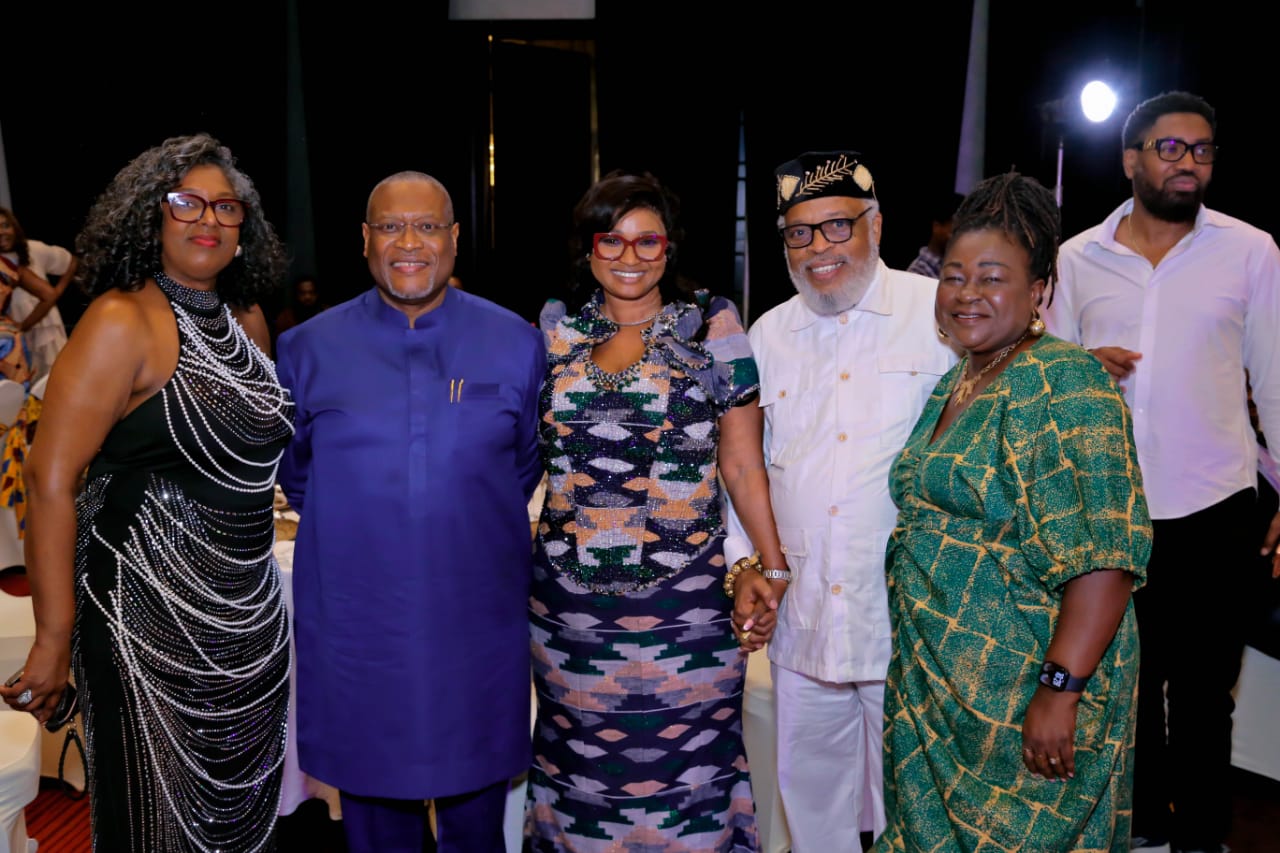
The Ghana Tourism Authority (GTA) on Saturday hosted a landmark Diaspora Dinner that reaffirmed Ghana’s commitment to deepening global Black partnerships, cultural diplomacy, and investment-led tourism as part of the national reset agenda.
The high-level gathering brought together members of the diaspora, creative industry leaders, policymakers, and cultural icons, with the Chief of Staff to the Vice President of the Republic of Ghana and the Chief Executive Officer of the Creative Arts Industry in attendance, underscoring the strategic importance
government places on culture-driven development.
Tourism as a Pillar of National Reset.
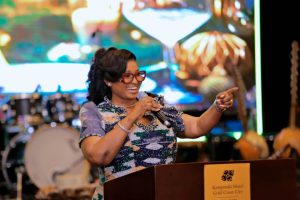
Delivering a powerful address, Maame Efua Houadjeto, Chief Executive Officer of the Ghana Tourism Authority, framed tourism not merely as an industry, but as a national instrument for economic growth, identity, and global influence. She emphasized that “Ghana is intentionally repositioning tourism to move beyond seasonal visitation toward year-round cultural, creative, and diaspora-driven engagement, anchored by the vision of “Resetting Tourism: The Black Star Experience.”
“The diaspora is no lonnger just visiting Ghana,” the CEO stated. “You are partners in our growth, co-creators of our story, and stakeholders in how Ghana presents itself to the world. Tourism is how we convert culture into jobs, creativity into capital, and identity into global relevance.”
She highlighted ongoing efforts by GTA to digitize tourism services, improve experience quality, support creatives and hospitality operators, and elevate Ghana as Africa’s cultural capital, particularly as global attention intensifies ahead of the 2026 FIFA World Cup and expanding diaspora engagement.
Government Reaffirms Diaspora as Strategic Allies
In a keynote message, the Chief of Staff to the Vice President of Ghana reinforced
government’s commitment to leveraging tourism, culture, and the creative economy as engines of national transformation. He underscored the importance of structured diaspora engagement, noting that the diaspora represents knowledge, capital, networks, and influence that are critical to critical to Ghana’s development agenda.
“Ghana’s future will be shaped by partnerships, partnerships between government and creatives, between institutions and innovators, and between Ghana and her diaspora across the world,” he said. “Culture is no longer peripheral to development; it is central to it.”
His remarks echoed the broader government agenda of resetting Ghana’s economy through innovation, cultural pride, and inclusive growth.
Mansa Musa: A Symbol of African Power and Possibility
One of the most unforgettable moments of the evening was the epic artistic presentation of Mansa Musa, led by Chief Mormen and his ensemble. The performance, rich in symbolism, storytelling, and visual grandeur, traced the legacy of African wealth, intellect, trade, and influence—positioning Africa not as
a continent of lack, but of historical power and future promise.
Through music, movement, costume, and narrative, the Mansa Musa display captivated the audience and served as a metaphor for Ghana’s current moment: a nation reclaiming its story and projecting it boldly onto the global stage.
A New Chapter in Diaspora Engagement
The Diaspora Dinner marked more than a ceremonial gathering—it signaled a new chapter in Ghana’s engagement with the global African family, where culture, tourism, and creativity converge to drive economic opportunity and shared prosperity.
As the evening concluded, one message rang clear: Ghana is no longer asking the
world to discover her—Ghana is inviting the world to build with her. And at the heart of that invitation lies The Black Star Experience—a living expression of identity, excellence, and global belonging.
Source: myghanadaily
