



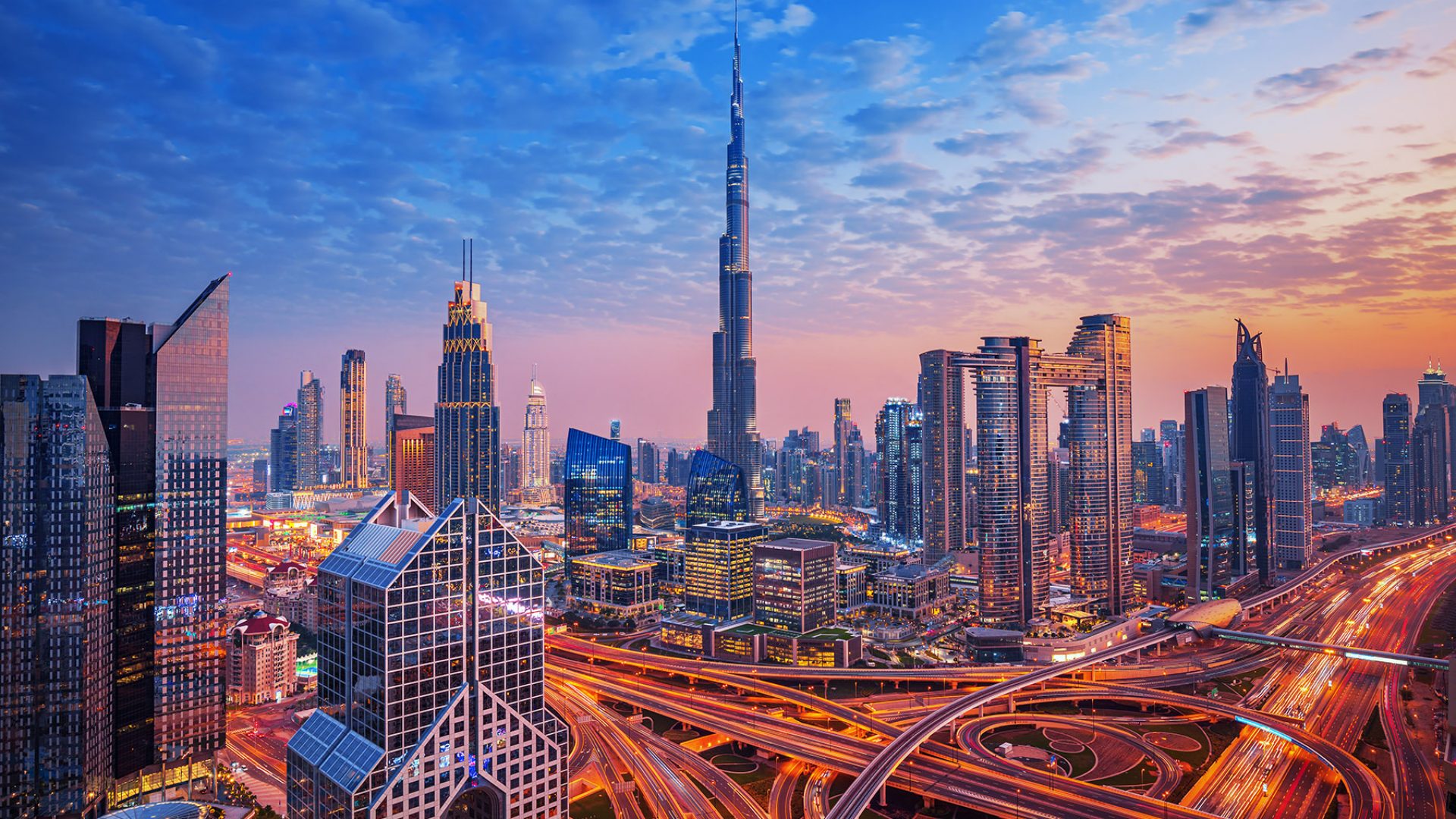
The economic relationship between the United Arab Emirates (UAE) and Africa has entered a new phase in 2026, characterized by large-scale investments, expanding trade corridors, infrastructure development, renewable energy partnerships, digital transformation initiatives, and growing diplomatic engagement. While China’s presence in Africa remains substantial, the UAE has emerged as one of the continent’s most influential economic partners, positioning itself as a gateway between Africa, the Middle East, Asia, and global markets.
Between 2019 and 2023, Emirati companies announced more than US$110 billion worth of projects across Africa, making the UAE one of the continent’s largest foreign investors and the leading investor in greenfield projects. Much of this investment has continued to mature and expand through 2026.
The strengthening UAE-Africa partnership is reshaping trade routes, energy systems, logistics networks, and investment patterns across the continent.
UAE as Africa’s Leading Foreign Investor
Scale of Investment
The UAE has become the largest single-country investor in Africa by project value and one of the most significant sources of foreign direct investment (FDI) into the continent. Emirati investments exceeded US$110 billion between 2019 and 2023, with continued expansion in 2024–2026. According to investment reports, the UAE contributed approximately US$44 billion in capital investment to Africa, nearly matching the combined contributions of several traditional investors.
Drivers of UAE Investment
Key motivations include the UAE’s drive to diversify its economy beyond oil, expand access to African markets, secure long-term food supply chains, and strengthen its position in global trade and logistics. Africa offers opportunities in ports, energy, agriculture, mining, infrastructure, and digital technology. The UAE is also seeking access to critical minerals needed for renewable energy and advanced industries. By investing in Africa, the UAE enhances its geopolitical influence, builds strategic partnerships, and connects African economies to Gulf, Asian, and global markets through trade, finance, aviation, and maritime networks.
Trade Relations Between the UAE and Africa
Growing Bilateral Trade
Trade between the UAE and Africa has grown strongly, reaching about US$107 billion in 2024 and continuing to expand in 2026 through new partnerships and investment agreements.
The UAE acts as a major re-export hub, helping African products such as gold, cocoa, coffee, minerals, and agricultural goods reach Gulf, Asian, and global markets. Africa also imports machinery, petroleum products, pharmaceuticals, construction materials, and technology equipment from the UAE.
UAE as Africa’s Gateway to Global Markets
The UAE serves as a major gateway connecting African businesses to global markets, especially Asia, Europe, South Asia and the Middle East. Through Dubai’s advanced ports, airports, free zones and financial services, African exporters gain easier access to international buyers, logistics support and re-export opportunities. African products such as gold, cocoa, coffee, minerals and agricultural goods are increasingly routed through UAE trade hubs. At the same time, more African firms are establishing operations in Dubai to benefit from its business-friendly environment, global connectivity and access to capital. This strengthens Africa’s participation in international trade and supply chains.
Infrastructure and Logistics Investments
Ports and Maritime Infrastructure
UAE investment in African ports is improving trade efficiency, cargo handling, and maritime connectivity. Through companies such as DP World, the UAE supports the development and management of strategic ports and logistics terminals across Africa. These investments help reduce shipping delays, lower transport costs, and connect African exporters to global markets. Stronger port infrastructure also supports regional trade under AfCFTA by making it easier for goods to move between African countries and international destinations.
Transport Corridors
The UAE is also investing in transport corridors that link production areas, industrial zones, inland markets, and seaports. These include dry ports, rail links, freight routes, logistics hubs, and industrial parks. Such corridors help African countries move goods more efficiently from farms, mines, and factories to export markets. By improving connectivity, these investments reduce business costs, support manufacturing, attract investors, and strengthen Africa’s role in global supply chains.
Renewable Energy Partnerships
Green Energy as a Strategic Priority
The UAE has made renewable energy a major focus of its investment strategy in Africa. In 2026, Emirati investments continue to target solar power, wind energy, green hydrogen, battery storage, and grid modernization. This reflects the UAE’s wider plan to diversify beyond oil while supporting Africa’s need for cleaner, reliable, and affordable electricity.
Supporting Africa’s Energy Transition
UAE renewable energy partnerships are helping African countries expand electricity access and reduce dependence on fossil fuels. These projects support climate adaptation, industrial growth, and energy security. By financing clean power infrastructure, the UAE is positioning itself as a strategic partner in Africa’s transition toward sustainable development, especially in countries with strong solar, wind, and green hydrogen potential.
Mining and Critical Minerals Cooperation
Access to Strategic Minerals
The UAE is increasing its interest in Africa’s strategic minerals, including lithium, cobalt, copper, manganese and rare earth elements. These minerals are essential for electric vehicles, batteries, renewable energy systems and advanced technologies. By investing in African mining, the UAE seeks to secure reliable mineral supply chains while helping African countries attract capital, develop mining infrastructure and participate more actively in the global clean energy economy.
Value Chain Development
UAE investment is gradually shifting from simple mineral extraction to value chain development. This includes mineral processing, beneficiation, industrial zones, logistics systems and export infrastructure. For African countries, this creates an opportunity to earn more value from their resources instead of exporting raw minerals only. It can also support industrialization, job creation, technology transfer and stronger participation in global battery and clean energy supply chains.
Agriculture and Food Security Investments
Securing Food Supply Chains
The UAE invests in African agriculture to secure stable food supplies because it has limited farmland and water resources. These investments focus on crop production, irrigation, food logistics, and processing, helping Gulf countries reduce food import risks while giving African countries access to capital, technology, and export markets.
Agricultural Modernization
UAE-backed agricultural investments can improve farming productivity through modern irrigation, mechanization, storage systems, and processing facilities. For African countries, this supports job creation, reduces post-harvest losses, strengthens food exports, and improves rural incomes. It also helps transform agriculture from subsistence farming into a more commercial and value-added sector.
Digital Economy and Artificial Intelligence
UAE’s Expanding Technology Footprint
The UAE is increasing its role in Africa’s digital transformation through investment in AI infrastructure, digital services, and technology partnerships. Its US$1billion AI initiative for Africa supports innovation, data systems, and digital capacity, helping African economies adopt smarter tools for public services, business growth, and competitiveness.
Priority Areas
UAE-Africa technology cooperation focuses on artificial intelligence, digital government, fintech, smart cities, e-commerce, data infrastructure, and digital skills. These areas can improve service delivery, financial inclusion, online trade, urban management, and youth employment while positioning African economies for stronger participation in the global digital economy.
Aviation and Connectivity
Air Transport Expansion
The UAE has expanded air links with Africa through frequent flights connecting African cities to Dubai and Abu Dhabi. These routes support business travel, tourism, cargo movement, and investor mobility. Stronger air connectivity makes the UAE a major gateway between Africa, the Gulf, Asia, and global markets.
Economic Impact
Improved aviation links strengthen trade, tourism, and investment between Africa and the UAE. Faster passenger and cargo movement helps businesses access wider markets, reduces travel barriers, and supports regional economic integration. For African countries, stronger air connectivity can improve competitiveness and attract more foreign investment.
What This Means for Ghana
Increased Access to Foreign Direct Investment
Ghana can attract more UAE investment into energy, infrastructure, logistics, agriculture, and technology. To benefit, Ghana must improve investor confidence, reduce bureaucratic delays, strengthen policy consistency, and package bankable projects that appeal to Gulf investors seeking stable long-term opportunities in West Africa.
Renewable Energy Development Opportunities
UAE investment can support Ghana’s solar energy, battery storage, grid expansion, and clean energy transition. This can reduce pressure on hydro and thermal power, improve energy security, attract green finance, and support industries that require reliable and affordable electricity for production.
Port and Logistics Expansion
Ghana can use UAE expertise in port management and logistics to improve Tema and Takoradi ports, inland transport links, and cargo handling systems. This would reduce trade costs, increase export competitiveness, and strengthen Ghana’s role as a West African trade hub under AfCFTA.
Agricultural Modernization and Food Processing
UAE partnerships can help Ghana modernize irrigation, storage, agro-processing, and export supply chains. This would reduce post-harvest losses, improve food security, create rural jobs, and help Ghana export more processed agricultural products instead of relying heavily on raw commodity exports.
Technology and Digital Transformation
Ghana can benefit from UAE support in artificial intelligence, digital public services, fintech, smart cities, and data infrastructure. Such partnerships can improve government service delivery, strengthen local innovation, support youth employment, and accelerate Ghana’s transition into a more competitive digital economy.
Enhanced Trade and Market Access
Closer UAE-Africa ties can help Ghanaian exporters access Gulf, Asian, and global markets through Dubai’s trade networks. Cocoa products, gold, processed foods, textiles, and horticultural exports could benefit if Ghana improves product standards, packaging, certification, and export readiness.
Increased Competition for Investment
Ghana must compete with countries such as Kenya, Ethiopia, Egypt, Rwanda, Morocco, and South Africa for UAE capital. To remain attractive, Ghana needs stronger project preparation, stable regulations, transparent procurement, faster approvals, and investment incentives targeted at sectors with clear economic returns.
Conclusion
In 2026, UAE-Africa economic relations have evolved from traditional trade and diplomatic engagement into a comprehensive strategic partnership centered on investment, infrastructure, energy, technology, logistics, and economic transformation. The UAE has emerged as one of Africa’s most important economic partners, with investments exceeding US$110 billion and expanding influence across virtually every major sector of the continent’s economy.
For Ghana, this presents a significant opportunity to attract capital, modernize infrastructure, expand renewable energy capacity, strengthen digital transformation, and enhance access to international markets. The challenge now lies in positioning the country to capture a greater share of the growing UAE-Africa investment corridor that is reshaping the economic geography of the continent.
