



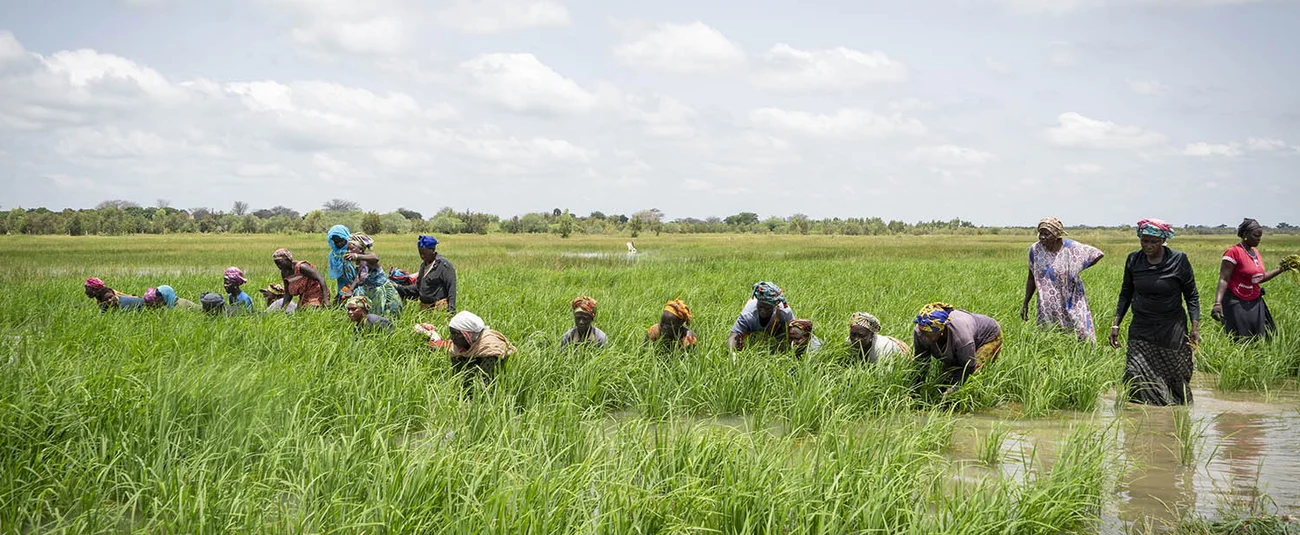
The initiative is aimed at increasing domestic rice production, strengthening food security and creating employment opportunities across Ghana’s rice value chain. It also seeks to improve rice productivity, enhance market systems and reduce the country’s dependence on imported rice while boosting the competitiveness of locally produced rice.
Agriculture remains a key pillar of Ghana’s economy, providing livelihoods for millions of people and playing a vital role in national food security. However, domestic rice production has consistently fallen short of growing demand, increasing the country’s reliance on imports and exposing it to fluctuations in global food prices.
The REWARD Project is designed to address these challenges through investments in climate-resilient rice production systems, improved access to quality inputs and mechanisation, as well as enhanced irrigation infrastructure and land development in major rice-producing areas.
The project will also modernise rice processing facilities, strengthen market linkages and encourage greater private sector participation throughout the rice value chain.
Implementation will focus on selected districts within Ghana’s Northern Savannah Ecological Zone, an area with significant agricultural potential but where productivity remains constrained by climate change, inadequate infrastructure and limited market integration.
Speaking on the project, Halima Hashi, Country Manager of the African Development Bank Group’s Ghana Country Office, said the investment would significantly strengthen Ghana’s rice sector.
“This project will help strengthen Ghana’s rice value chain by increasing productivity, improving market access and supporting agribusiness development. By investing in climate-resilient agriculture, the initiative will contribute to food security, job creation and more inclusive economic growth,” she said.
The REWARD Project aligns with Ghana’s agricultural transformation agenda, particularly the Feed Ghana Programme, and supports the African Development Bank’s strategic priorities of promoting climate-resilient agriculture, private sector development and inclusive economic growth.
It also contributes to broader regional efforts to strengthen food systems, improve resilience and enhance agricultural productivity across West Africa.
