



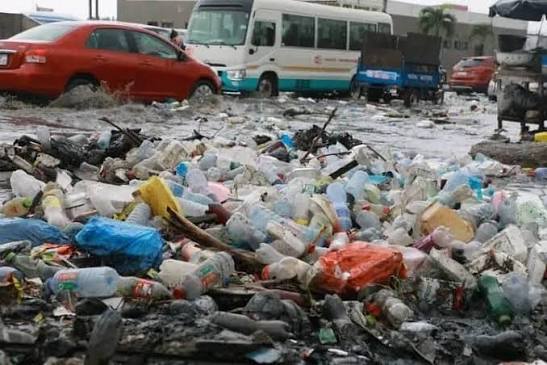
The June 29, 2026, floods in Accra, Ghana, left a trail of destruction across the city, damaging homes, businesses, roads and critical infrastructure. Beyond the immediate devastation to property and livelihoods, almost every aspect of Accra’s social and economic ecosystem is expected to be severely affected in the weeks and months ahead.
While the flooding directly impacted millions of residents across the capital, the public health consequences that will emerge after the waters recede may ultimately prove even more damaging and far-reaching than the flood itself. Floodwaters in densely populated urban centres such as Accra are rarely just rainwater. They are often a toxic mixture of sewage, industrial and chemical runoff, fuel residues, animal waste, refuse and other biological contaminants. As floodwaters move through communities, markets, drainage systems and residential areas, they collect and spread harmful germs, bacteria and viruses across vast areas of the city.
Exposure to contaminated floodwater creates significant health risks, including the spread of dangerous bacteria such as E. coli and Salmonella, alongside other waterborne and infectious diseases. Residents exposed to contaminated food, water or surfaces may face increased risks of illnesses, skin infections and other serious health complications.
One of the greatest concerns following the floods relates to Accra’s commercial and trading centres. Many of the hardest-hit areas can be described as “transient neighbourhoods” — communities characterized by high population turnover where residents and traders often stay for relatively short periods before moving elsewhere. A large proportion of Accra’s open markets and informal trading hubs operate within these communities.
The question that authorities must urgently address is whether products and goods exposed to contaminated floodwater will find their way back onto the market and eventually into the homes of unsuspecting consumers. Food products, beverages, medicines, cosmetics and toiletries that come into contact with floodwater should be considered contaminated and unsafe for use or consumption. These products must be discarded because of the risk of contamination by dangerous bacteria, viruses and toxic substances.
Unfortunately, the economic realities facing many traders and business owners in these neighbourhoods, who may have suffered devastating losses, could create pressure to salvage and resell damaged goods in an effort to recover financially. While understandable, such actions could unintentionally trigger a secondary public health crisis affecting communities far beyond the flooded areas themselves.
Government agencies, municipal authorities and public health institutions must therefore remain vigilant and act swiftly. Market inspections, public awareness campaigns, product safety enforcement and clear disposal protocols for contaminated goods will be essential to protecting public health. The recovery effort cannot focus solely on rebuilding roads, homes and businesses. Protecting the health of residents must be treated as an equally urgent priority.
As Accra begins the difficult process of recovery, the city must ensure that the flood does not evolve from a natural disaster into a preventable public health emergency. The waters may recede, but the risks they leave behind can linger long after the floodwaters are gone.
By: Akoto William
