



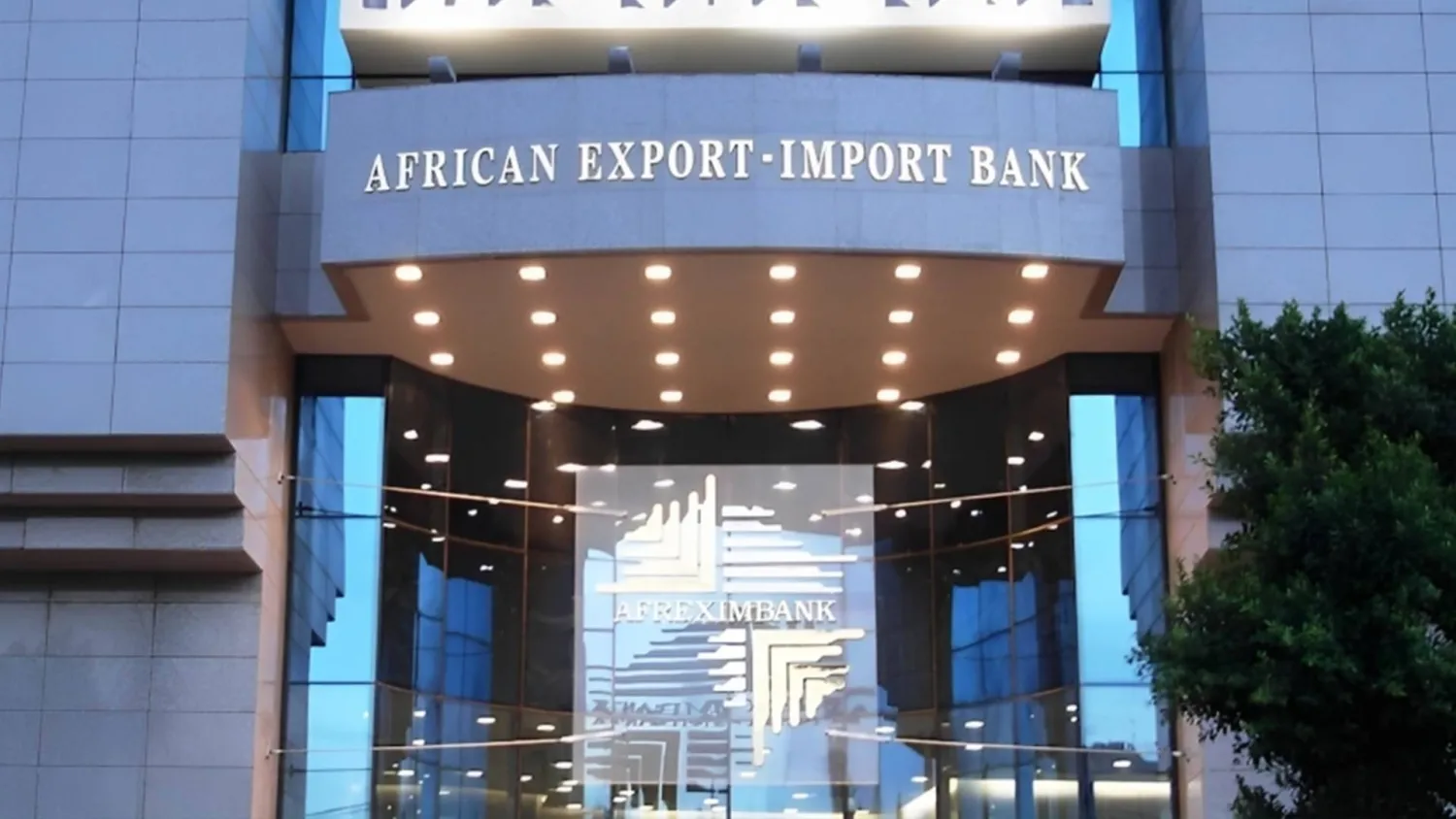
In a world increasingly shaped by geopolitical shocks, Africa is once again confronting a familiar reality: crises that begin elsewhere often end up testing the resilience of its economies. The latest example is the escalating conflict in the Gulf region, which has triggered global disruptions in energy, trade, and finance. In response, the African Export-Import Bank has stepped in with a bold and timely intervention a $10 billion Gulf Crisis Response Program (GCRP) designed to stabilize African and Caribbean economies at a critical moment.
This is not just another financial package. It is a strategic response to a rapidly evolving global economic environment where Africa’s vulnerabilities are increasingly tied to external shocks beyond its control.
A Crisis That Quickly Became Africa’s Problem
The Gulf crisis, which intensified in late February 2026, has had far-reaching consequences due to the region’s central role in global supply chains. The Gulf is a major supplier of oil, liquefied natural gas (LNG), and fertilizers, and a critical hub for international shipping through the Strait of Hormuz. When disruptions occur there, the ripple effects are immediate and global.
For African economies, the impact has been particularly severe. Many countries rely heavily on imported fuel, food, and agricultural inputs, and are deeply connected to Gulf trade routes, investment flows, and remittances.
The result has been a familiar but dangerous mix:
Rising fuel and food prices, increasing inflation
The immediate impact has been felt at the most basic level of daily life. As fuel prices surge due to disruptions in Gulf supply chains, transportation and production costs rise across the board. This quickly feeds into food prices, making essentials more expensive for households. The combined effect is persistent inflation, eroding purchasing power and putting pressure on already strained incomes. For many families, this is not abstract economics; it is the growing difficulty of affording transport, food, and basic necessities.
Pressure on foreign exchange reserves
As import bills increase, governments are forced to spend more foreign currency to secure essential goods such as fuel, fertilizers, and medical supplies. This places significant strain on already limited foreign exchange reserves. Central banks are then left with difficult choices, whether to defend their currencies, ration foreign exchange, or allow depreciation. In many cases, this leads to weaker local currencies, higher import costs, and a cycle that deepens economic vulnerability and limits the ability to respond effectively to external shocks.
Disruptions to tourism, aviation, and declining investor confidence
The uncertainty surrounding the Gulf crisis has also affected sectors that depend heavily on stability and global movement. Tourism and aviation, which are sensitive to fuel prices and geopolitical risk, have seen reduced activity and higher operating costs. At the same time, investors tend to adopt a cautious approach during such periods, delaying or withdrawing investments. This combination reduces foreign exchange inflows, slows economic activity, and weakens growth prospects, especially for countries that rely on tourism and external capital.
In simple terms, what began as a geopolitical conflict quickly translated into higher living costs, tighter government budgets, and economic uncertainty across Africa and the Caribbean.
Understanding the $10 Billion Response
Recognizing the scale of the threat, Afreximbank’s Board approved the Gulf Crisis Response Program as a comprehensive intervention targeting both immediate relief and long-term resilience.
At its core, the program is structured around three key objectives:
Stabilizing Essential Imports
At its most immediate level, the program is designed to keep economies functioning by ensuring continued access to essential imports. Many African and Caribbean countries rely heavily on external sources for fuel, food, fertilizers, and medical supplies. When global disruptions occur, these lifelines become fragile. This intervention provides the foreign exchange and liquidity needed to keep supply chains intact, prevent shortages, and avoid sudden price spikes. In practical terms, it helps governments maintain stability and shields ordinary citizens from the harshest economic shocks.
Supporting Businesses and Financial Systems
The program also recognizes that economic crises are felt most sharply within the private sector and financial institutions. Businesses depend on steady cash flow, access to credit, and stable markets to operate effectively. When external shocks tighten liquidity, many firms struggle to survive. By extending support to banks and corporates, the initiative helps maintain confidence in financial systems, keeps businesses running, and protects jobs. It ensures that the economic engine continues to function, even under pressure, preventing a temporary crisis from turning into long-term economic damage.
Turning Crisis into Opportunity
Beyond immediate relief, the program takes a forward-looking approach by identifying areas where Africa can benefit from shifting global dynamics. As supply chains adjust and commodity prices fluctuate, new opportunities emerge for African exporters, particularly in energy and raw materials. The program provides financing that enables these sectors to scale production, meet rising demand, and access new markets. Rather than simply absorbing the impact of the crisis, it encourages countries to reposition themselves strategically, turning a difficult situation into a pathway for growth and economic transformation.
African exporters of energy and minerals can scale production and take advantage of higher global prices and rerouted trade flows.
Beyond Relief: Building Long-Term Resilience
What distinguishes this intervention is its forward-looking design. Afreximbank is not simply addressing immediate shocks; it is attempting to reshape economic structures.
The program includes plans to:
Accelerate energy and logistics infrastructure projects
This involves fast-tracking investments in power generation, fuel storage, transport corridors, and port systems. The idea is simple: reduce bottlenecks that make African economies vulnerable during crises. When energy and logistics systems are reliable and efficient, countries can absorb shocks better and keep businesses, trade, and daily life moving without major disruptions.
Strengthen regional supply chains
Rather than depending heavily on distant markets, the focus here is on building stronger trade links within Africa. This means producing, processing, and distributing goods closer to home. By deepening regional supply chains, countries can reduce delays, cut costs, and respond more quickly to shortages, making the entire system more stable and self-sustaining.
Support industrial and export capacity
This point is about helping African businesses produce more and compete globally. It includes financing manufacturers, exporters, and agro-processors so they can scale operations and meet demand. When local industries grow stronger, countries earn more foreign exchange, create jobs, and reduce reliance on imports, which is critical during periods of global uncertainty.
Improve trade resilience under the African Continental Free Trade Area (AfCFTA)
Here, the focus is on making intra-African trade more reliable even during global disruptions. By supporting AfCFTA implementation, the program encourages smoother cross-border trade, better payment systems, and fewer regulatory barriers. In practical terms, it helps African countries rely more on each other, rather than being overly exposed to shocks from outside the continent.
In collaboration with institutions such as the African Union, UNECA, and CARICOM, the initiative also emphasizes coordinated regional responses to global shocks. This reflects a deeper recognition that Africa cannot continue to respond to global crises in isolation.
A Proven Model of Crisis Intervention
The African Export-Import Bank has demonstrated a reliable approach to crisis intervention through its past responses, particularly during the Russia-Ukraine war. During that period, it introduced a $4 billion facility that expanded to support about $39 billion in disbursements, helping African countries secure essential imports and stabilize their economies. This experience highlights the Bank’s ability to respond quickly and effectively, using tested financial mechanisms to manage external shocks and maintain economic stability across vulnerable regions.
Why This Matters for Africa’s Economic Future?
At a deeper level, the Gulf Crisis Response Programme highlights a structural issue in Africa’s development trajectory: exposure to external shocks.
Africa’s dependence on:
Imported energy and global commodity markets
Africa’s heavy reliance on imported fuel, combined with dependence on a narrow range of commodity exports, makes its economies highly sensitive to global price movements. When oil prices rise, transport and production costs increase across sectors. At the same time, fluctuations in commodity prices directly affect government revenue, exchange rates, and economic stability, making long-term planning difficult.
External financing and international trade routes
Africa’s development is closely tied to external financing and global trade systems. When international borrowing becomes expensive or limited, governments struggle to fund infrastructure and essential services. At the same time, disruptions in major shipping routes delay imports and raise costs. Together, these pressures constrain economic activity and expose countries to shocks beyond their control.
However, this intervention also points to a shift in how Africa responds. Instead of relying solely on external aid or reacting passively, institutions like Afreximbank are:
Mobilizing internal financing and coordinating regional responses
Instead of waiting for external donors, Afreximbank is stepping in with resources it can mobilize quickly while also bringing countries together to respond collectively. This combined approach reduces delays, strengthens regional cooperation, and ensures more coordinated action. It helps African and Caribbean economies face external shocks with a stronger, unified financial and policy response.
Linking crisis management with structural transformation
What stands out is the deliberate effort to go beyond short-term relief. The program is designed to stabilize economies now while also supporting long-term changes such as industrial growth, trade expansion, and infrastructure development. It recognizes that every crisis presents an opportunity to fix underlying weaknesses and build more resilient economic systems. This is a significant evolution in economic governance.
The Caribbean Dimension: A Shared Vulnerability
The program’s inclusion of Caribbean economies highlights shared structural vulnerabilities between Africa and the Caribbean. Both regions depend heavily on imports, are highly exposed to global energy price shocks, and rely on sectors like tourism that are sensitive to external disruptions. By addressing them together, the initiative recognizes that small and developing economies face similar risks in an interconnected global system. This joint approach promotes coordinated resilience, ensuring both regions are better positioned to withstand and respond to external economic shocks.
Conclusion: A Strategic Turning Point
The $10 billion Gulf Crisis Response Programme marks a shift in how Africa responds to global shocks. Rather than reacting passively, African institutions are taking a more strategic and coordinated approach to managing economic risks. While the intervention may not solve all structural challenges, it provides critical support during a volatile period. More importantly, it lays the groundwork for stronger, more resilient economies that are better prepared to handle future disruptions and reduce dependence on external uncertainties.