



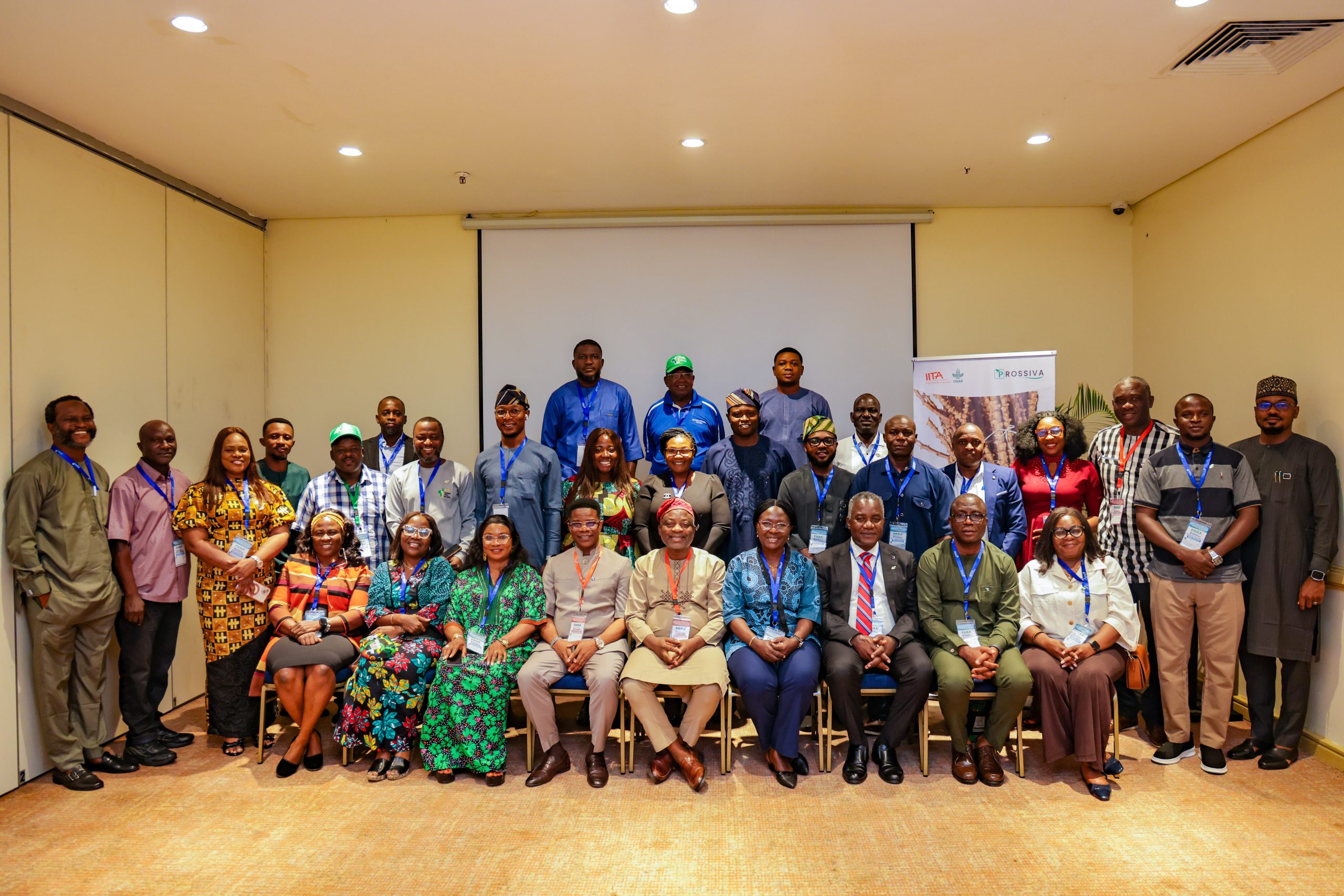
The 9th Africa Agriculture Science Week (AASW9) and the 10th General Assembly of the Forum for Agricultural Research in Africa (FARA) concluded on July 30, 2026, in Abuja, Nigeria, with African leaders and stakeholders reaffirming their commitment to using science, innovation and partnerships to transform the continent’s agrifood systems.
Held under the theme “Innovations and Partnerships for Resilient and Sustainable Agrifood Systems in Africa,” the four-day conference was organised by FARA in collaboration with CORAF, the Agricultural Research Council of Nigeria and the Government of Nigeria. The event brought together ministers, researchers, policymakers, development partners, private-sector actors, farmers, youth representatives and investors from across Africa and beyond.
The conference focused on four key areas: emerging agricultural technologies, climate-resilient food systems, nutrition and health, and policies and financing needed to scale agricultural innovation.

Strong Participation
AASW9 attracted 924 participants, including 822 delegates and 102 service providers. Research and academic institutions made up about 70 percent of participants, while policy actors accounted for roughly 12 percent.
The programme featured 25 side events, eight parallel sessions, exhibitions, ministerial dialogues and science-policy discussions. More than 35 organisations showcased innovations in crop improvement, livestock, fisheries, digital agriculture, mechanisation, climate-smart farming and value addition.
Research Must Deliver Results
Participants agreed that agricultural research should not only produce scientific publications but also lead to practical improvements in productivity, resilience, food security, incomes and employment.
Nigeria’s Minister of Agriculture and Food Security, Senator Abubakar Kyari, called for greater African investment in agricultural science and innovation, stressing that the continent’s abundant natural resources can only create prosperity when supported by research, technology and strong partnerships.
Closing the conference, the Minister of State for Agriculture and Food Security, Senator Dr Aliyu Sabi Abdullahi, reaffirmed FARA’s role as a leading voice in African agricultural science and urged stakeholders to sustain the partnerships established during the event.
Major Outcomes
A key outcome of the conference was the adoption of the Abuja Clarion Call on Sustainable Financing for Agricultural Research, Development and Innovation, which urges African governments to increase domestic investment in agricultural research, establish sustainable funding mechanisms, strengthen public-private partnerships and mobilise African-led resources for innovation.
Nigeria also pledged to support efforts to establish a FARA Endowment Fund to provide long-term financing for agricultural research across the continent.
Delegates also endorsed the Knowledge Management Partnership Framework for Agricultural Research for Development in Africa (2026–2030), aimed at improving knowledge sharing, digital innovation, responsible use of artificial intelligence, institutional collaboration and the integration of indigenous knowledge into agricultural development.
Technology and Climate Resilience
Participants called for stronger systems to identify, finance, commercialise and scale agricultural technologies that address African challenges.
Discussions highlighted innovations in digital agriculture, artificial intelligence, biotechnology, improved crop varieties, mechanisation, renewable energy, irrigation, climate-smart agriculture and post-harvest management.
The conference also emphasised the urgent need to address climate change, declining soil fertility, biodiversity loss and water scarcity through greater investment in climate-resilient farming, improved soil health, quality seeds, early-warning systems and nature-based agricultural practices.
Inclusive Food Systems
Delegates stressed that agricultural transformation should improve not only food production but also nutrition, public health and food safety.
They called for stronger collaboration between the agriculture, health, education and urban development sectors while advocating increased support for women, youth, persons with disabilities, smallholder farmers and pastoralists.
New FARA Leadership
The 10th FARA General Assembly ratified a new Board of Directors for the 2026–2029 term, chaired by Dr Mark Cyubahiro Bagabe of Rwanda. The board brings together representatives from research institutions, regional organisations, the private sector, farmers’ organisations, financial institutions and the African Union.
Looking Ahead
Participants resolved to implement the conference outcomes by strengthening financing for agricultural research, scaling proven innovations, improving knowledge management, enhancing national delivery systems and increasing the participation of women, youth and local communities.
The organisers expressed appreciation to the Government of Nigeria, the African Union, development partners, researchers, exhibitors, media organisations and delegates for contributing to the success of the conference.
The conference concluded with a clear message that Africa’s agricultural transformation must be science-led, innovation-driven, knowledge-enabled, partnership-based and sustainably financed, with greater emphasis on turning research and policy commitments into measurable impact for farmers and communities across the continent.
Source: FARA
