



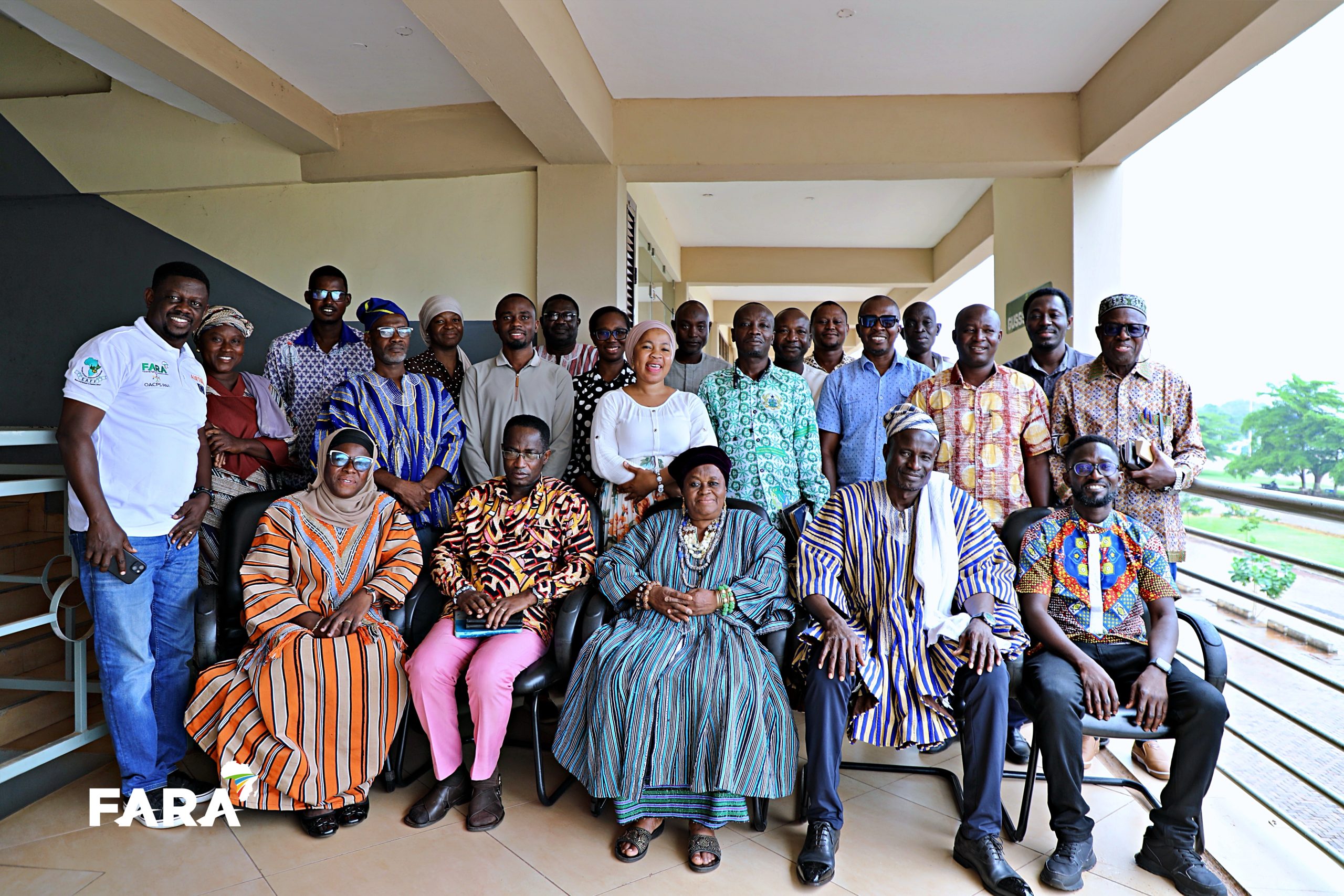
Stakeholders have concluded a two-day validation and exit workshop for the INTERFACES project in Tamale, issuing a strong call to sustain and scale the partnerships, participatory learning processes and sustainable land management innovations developed during the project’s three-year implementation.

Held at the University for Development Studies [Tamale Campus], the workshop brought together researchers, farmers, agricultural extension officers, policymakers, minority groups, women organizations, civil society organisations, development practitioners, traditional leaders and members of the Ghana Participatory Learning Platform. The programme focused on validating the Platform’s evaluation results, examining evidence on integrated soil fertility management, fertiliser microdosing, and defining an exit strategy that can sustain the project’s achievements beyond its formal implementation period.
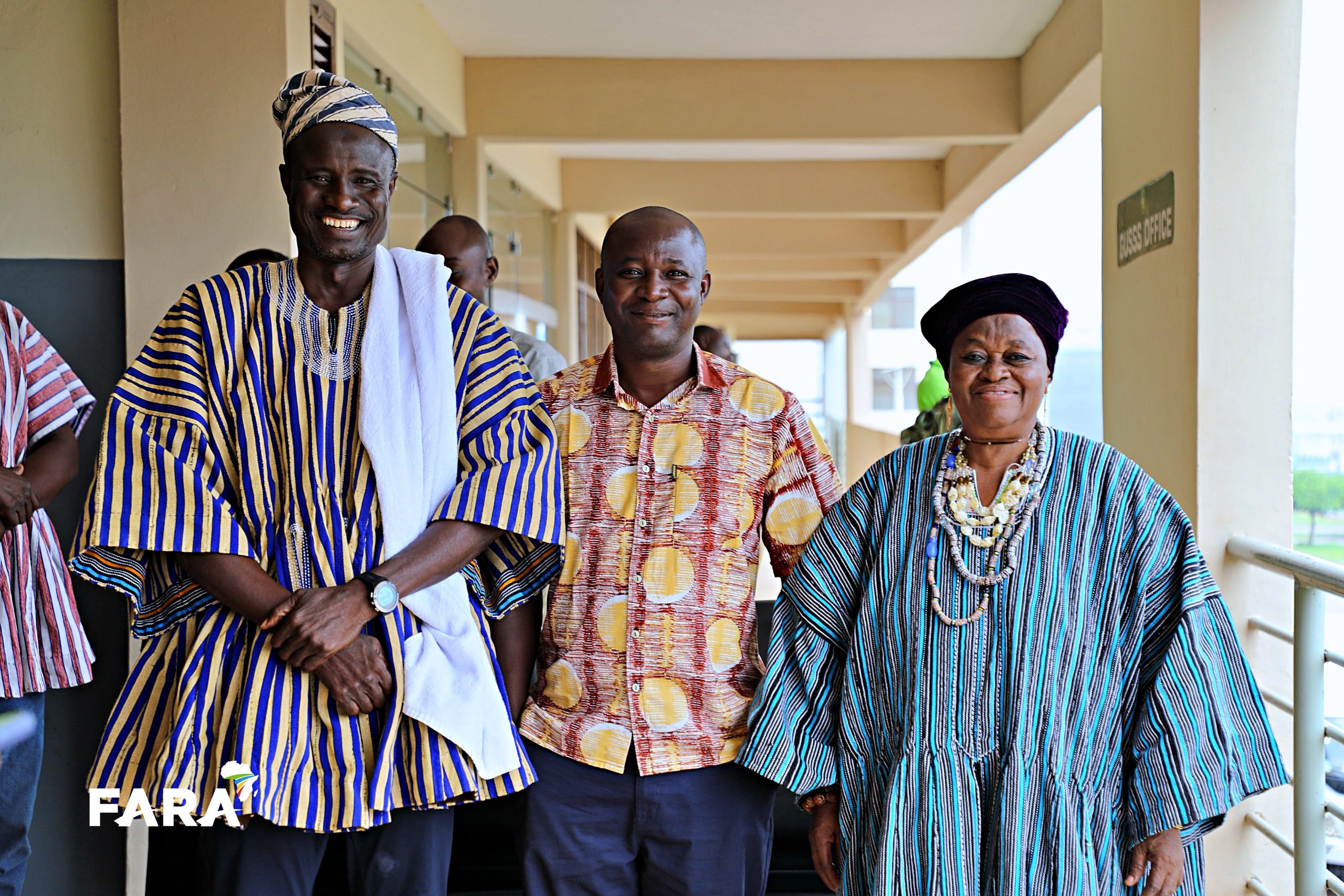
Traditional authorities were prominently represented by a delegation of chiefs led by Chief Mohammed Rashad, Secretary to the Gulkpe-Naa of Tamale and Chief of Zabzugu Traditional Area, who doubles as the Yelzoli Gaa-Naa, Hawawu A Salifu. Their participation reinforced the central role of traditional leadership in land governance, customary tenure arrangements, community mobilisation and the adoption of sustainable land management practices in northern Ghana.
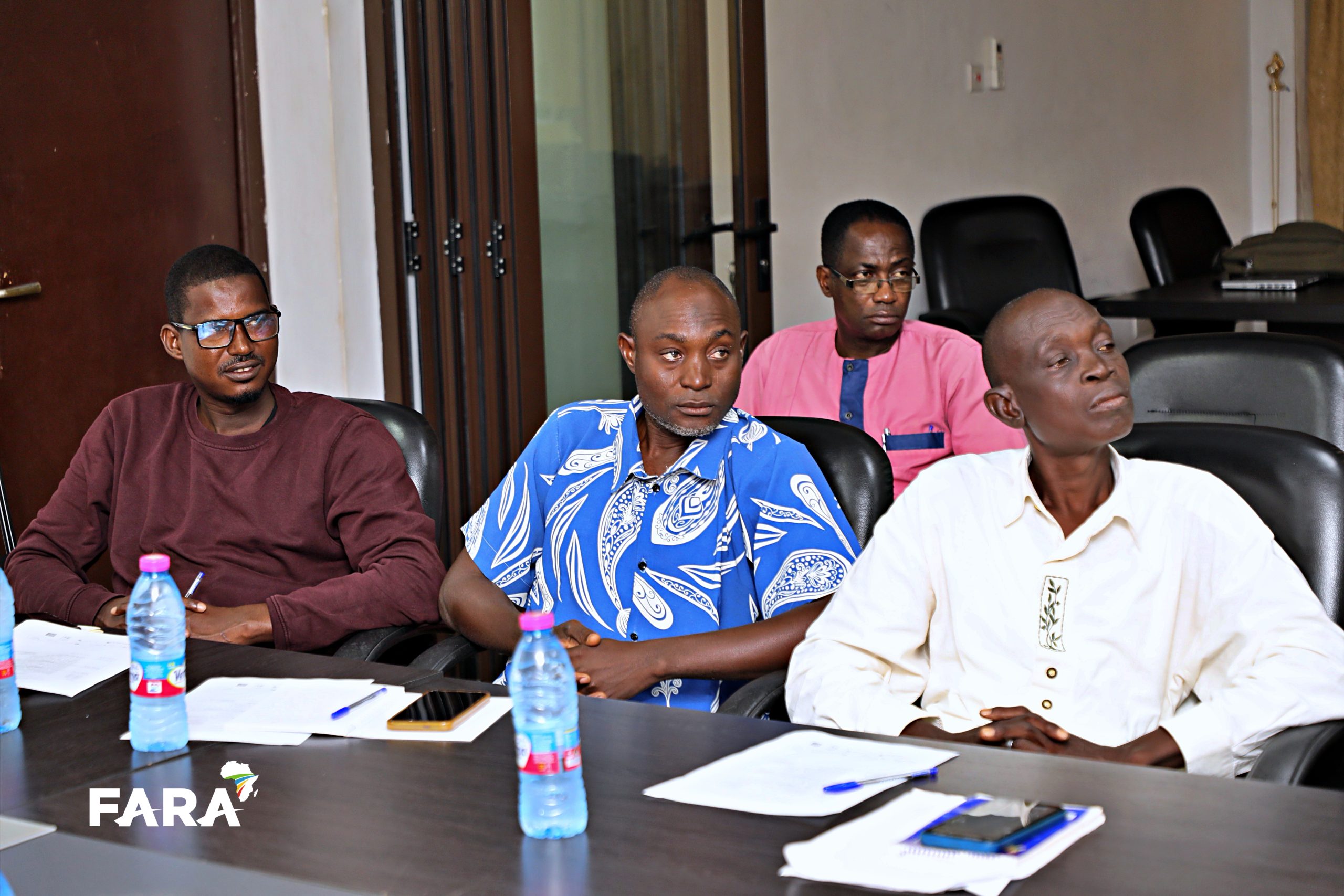
Culmination of a series of project-closing engagements
The INTERFACES workshop marked the culmination of a series of validation, dissemination and project-closing engagements held in Tamale during July 2026 under the German-funded initiative on Sustainable Land Management in Sub-Saharan Africa.

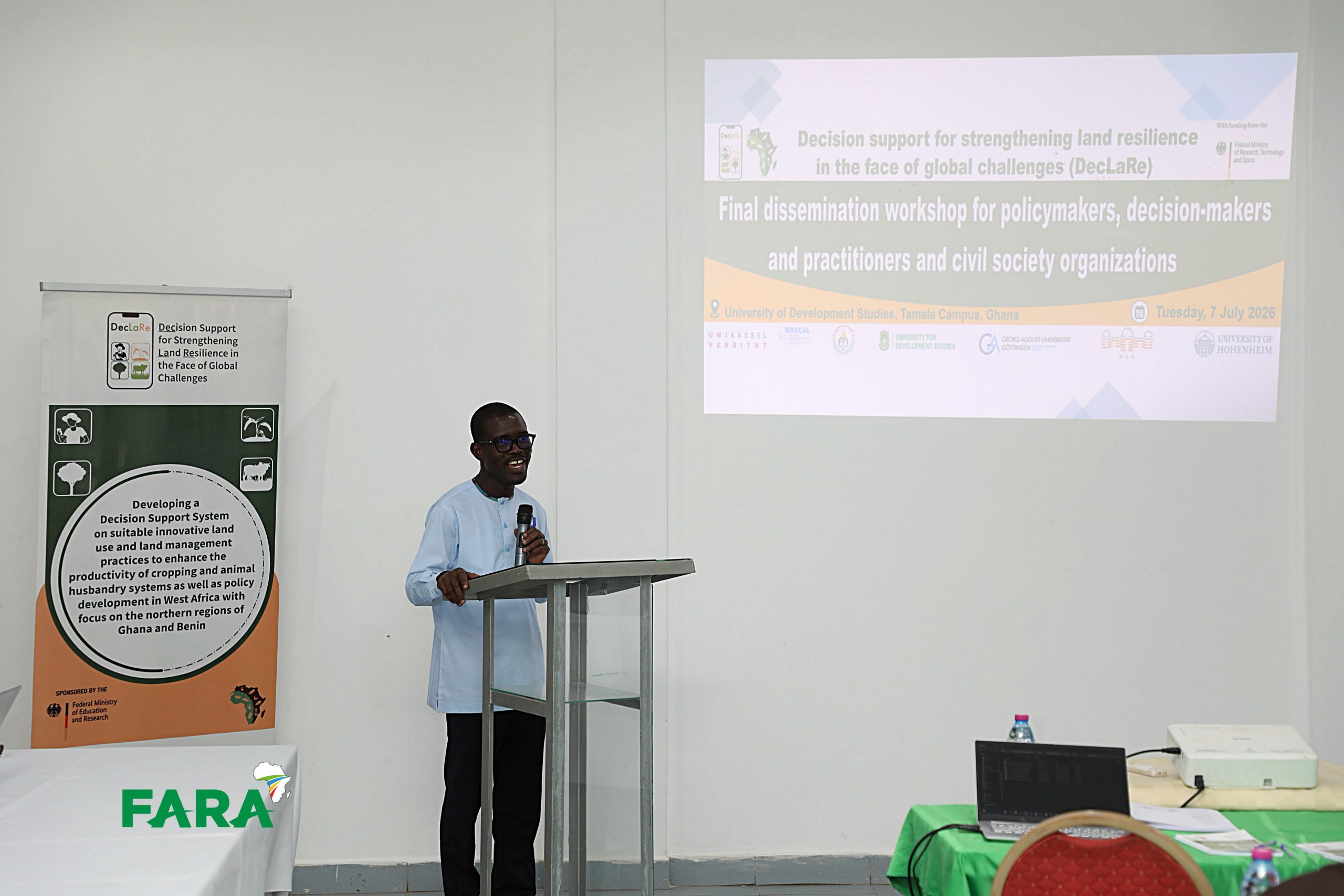
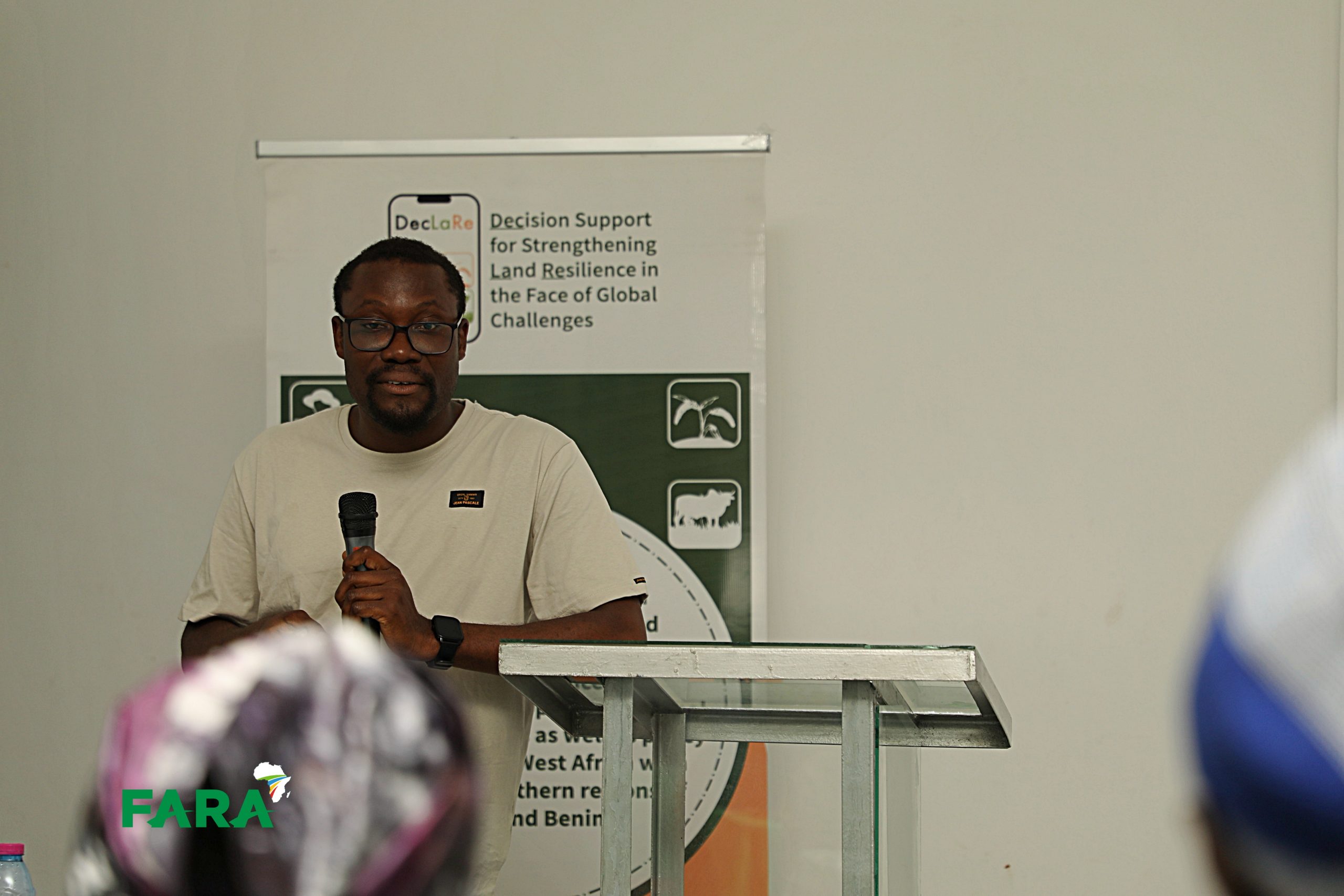
The series began on 7 July with the DecLaRe dissemination workshop, during which researchers, policymakers, practitioners, and farmers reviewed project achievements, validated policy briefs and assessed how research findings could better inform sustainable land management decisions.
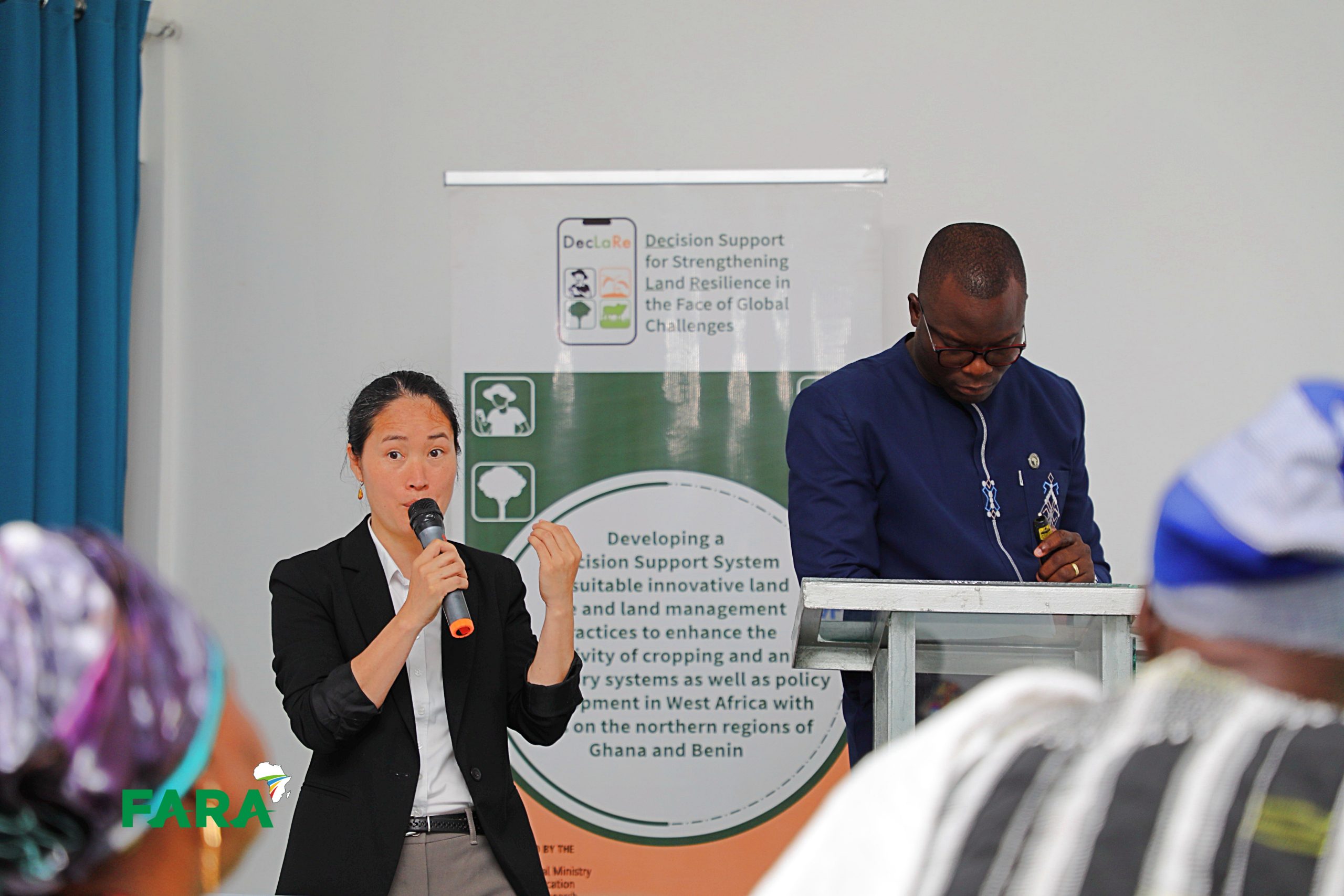
DecLaRe, which focuses on strengthening land resilience in the face of global challenges, generated evidence and decision-support recommendations for crop production and animal husbandry in northern Ghana and northern Benin.

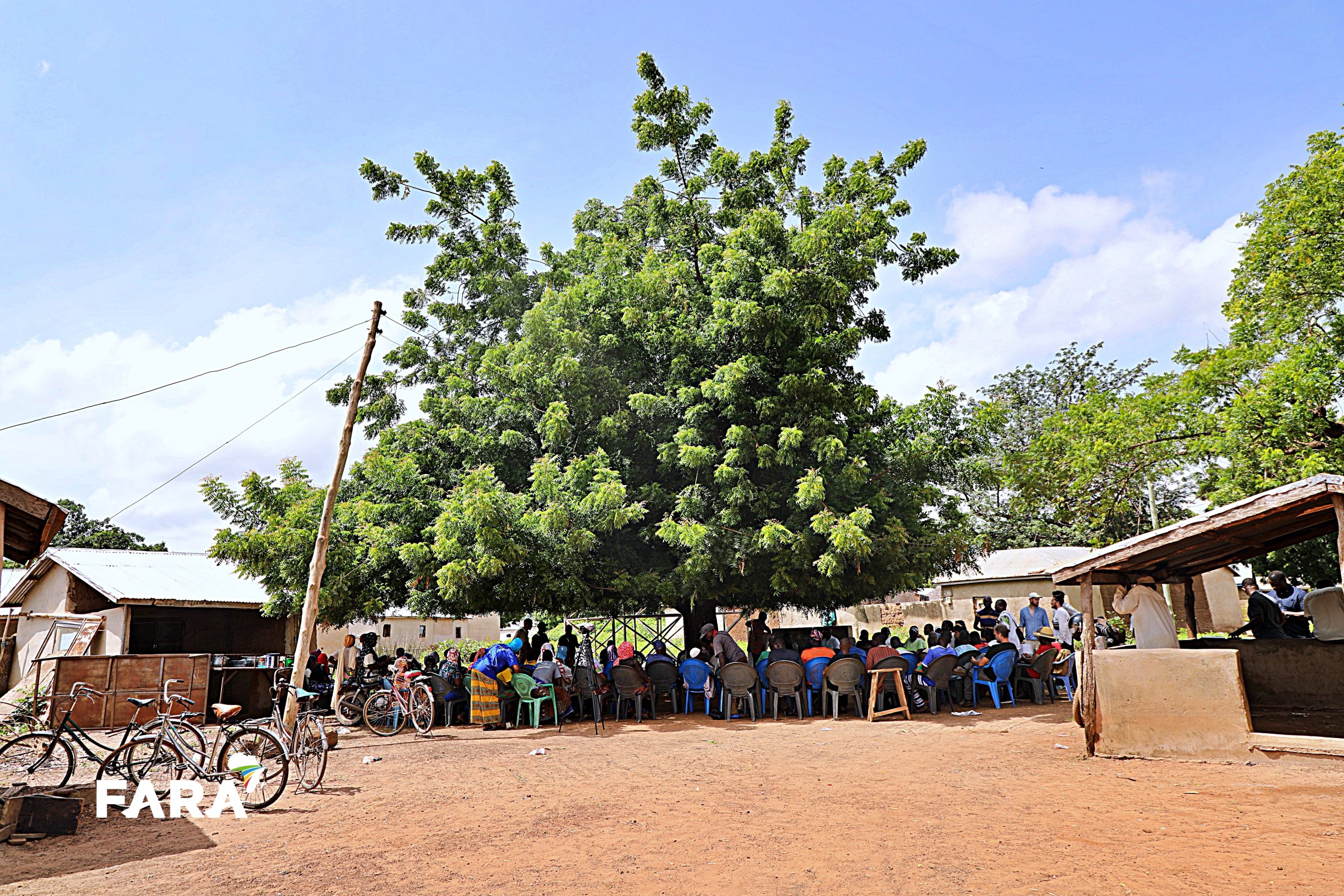
This was followed by the COINS project engagement on 7, 8 and 9 July. The first two days involved field visits to farming communities in Mion, Savelugu and Tolon, where researchers, extension personnel and farmers discussed Integrated Soil Fertility Management practices and assessed their relevance to local farming conditions.

On the third day, stakeholders met at UDS to review research findings, discuss the project’s synthesis report and consider opportunities for continuity and scaling.
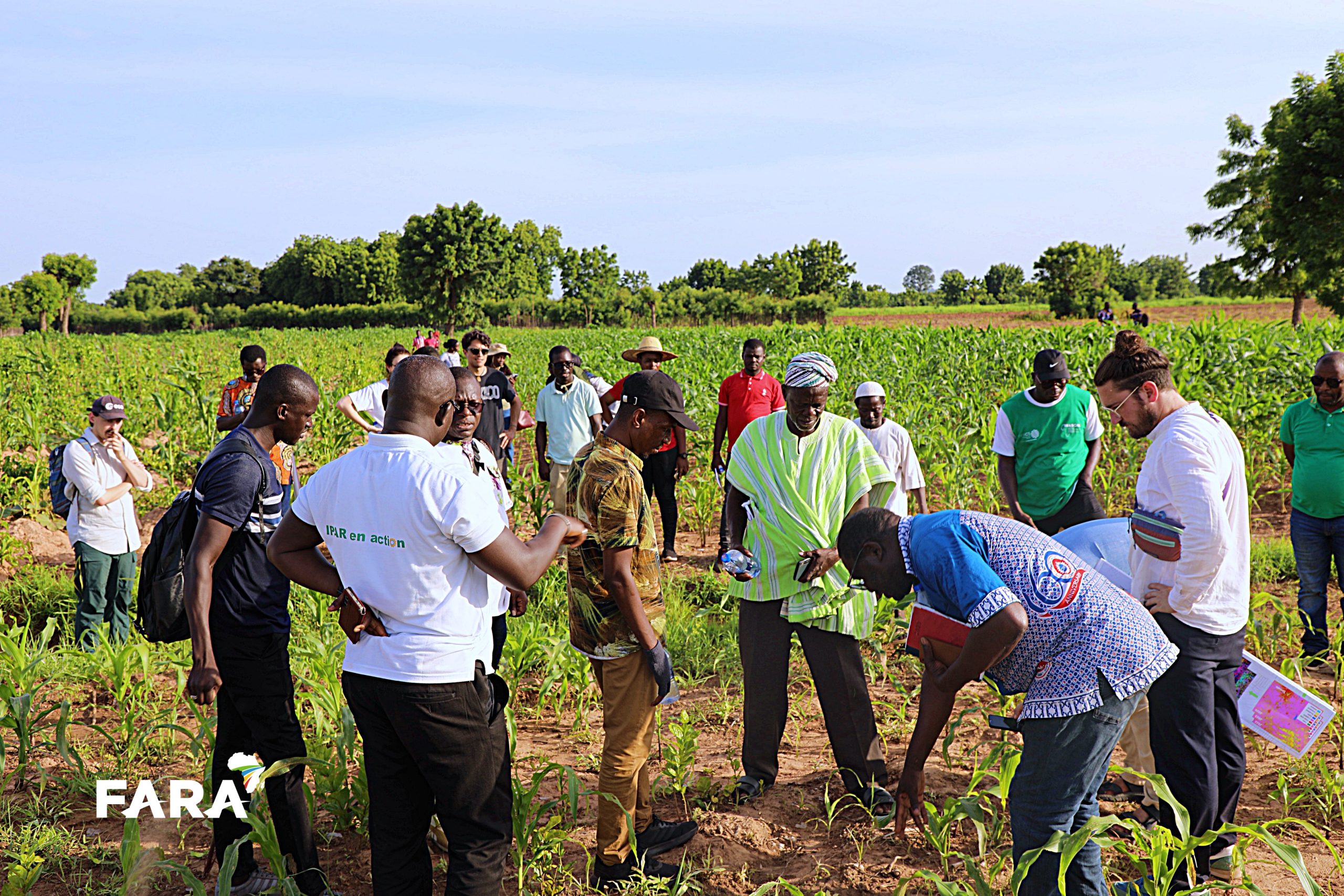
Together, DecLaRe, COINS, and INTERFACES have fostered multi-stakeholder dialogue, evidence generation and collaborative learning around sustainable land management in northern Ghana.
The three projects also contributed to establishing the Ghana Participatory Learning Platform in November 2023 as a mechanism for connecting scientific research with the experience, knowledge and priorities of farmers, policymakers, traditional leaders, extension professionals and other land-management actors.
Assessing the impact of the Participatory Learning Platform
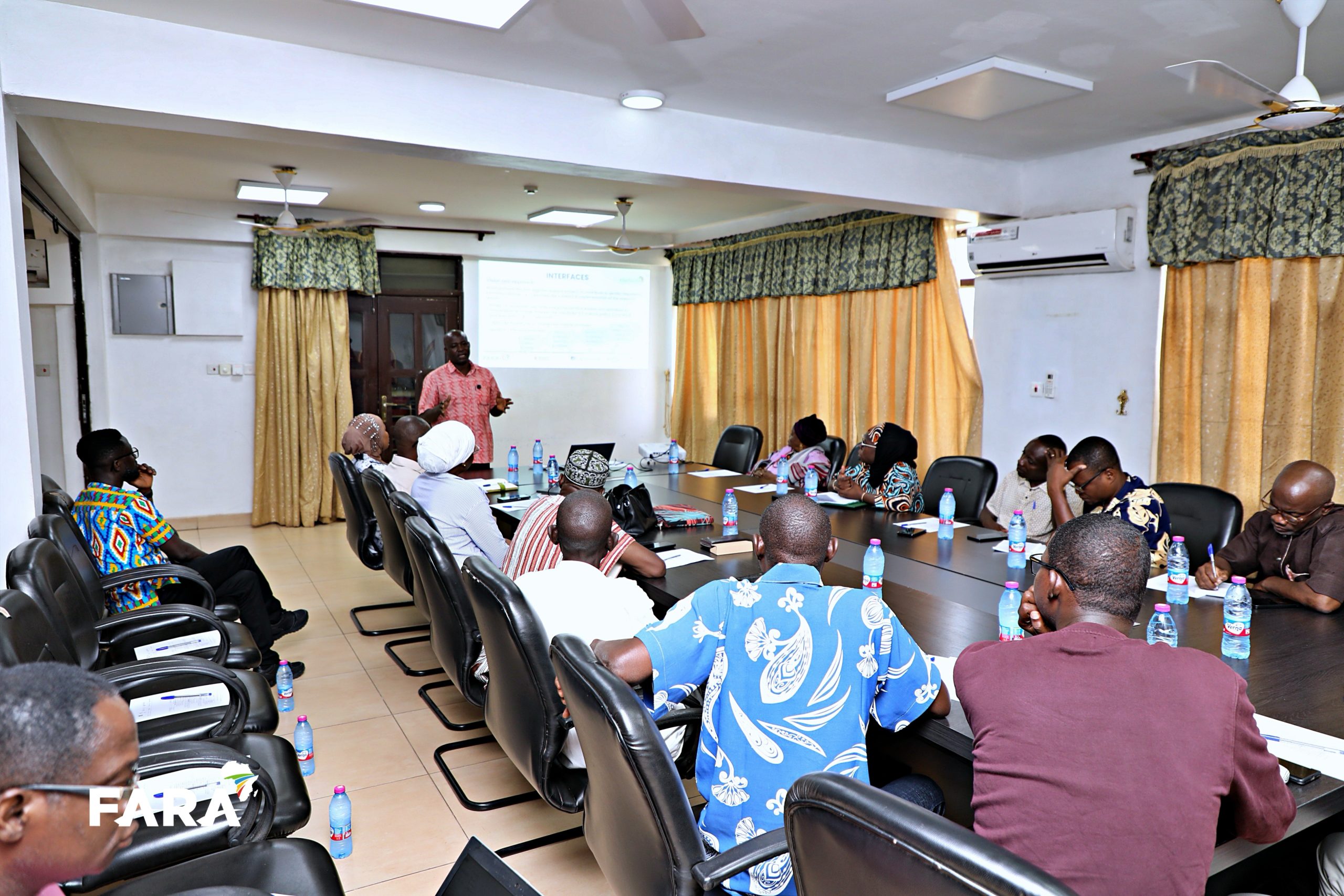
The first day of the INTERFACES workshop focused on validating the evaluation results of the Participatory Learning Platform and discussing the project’s exit strategy.
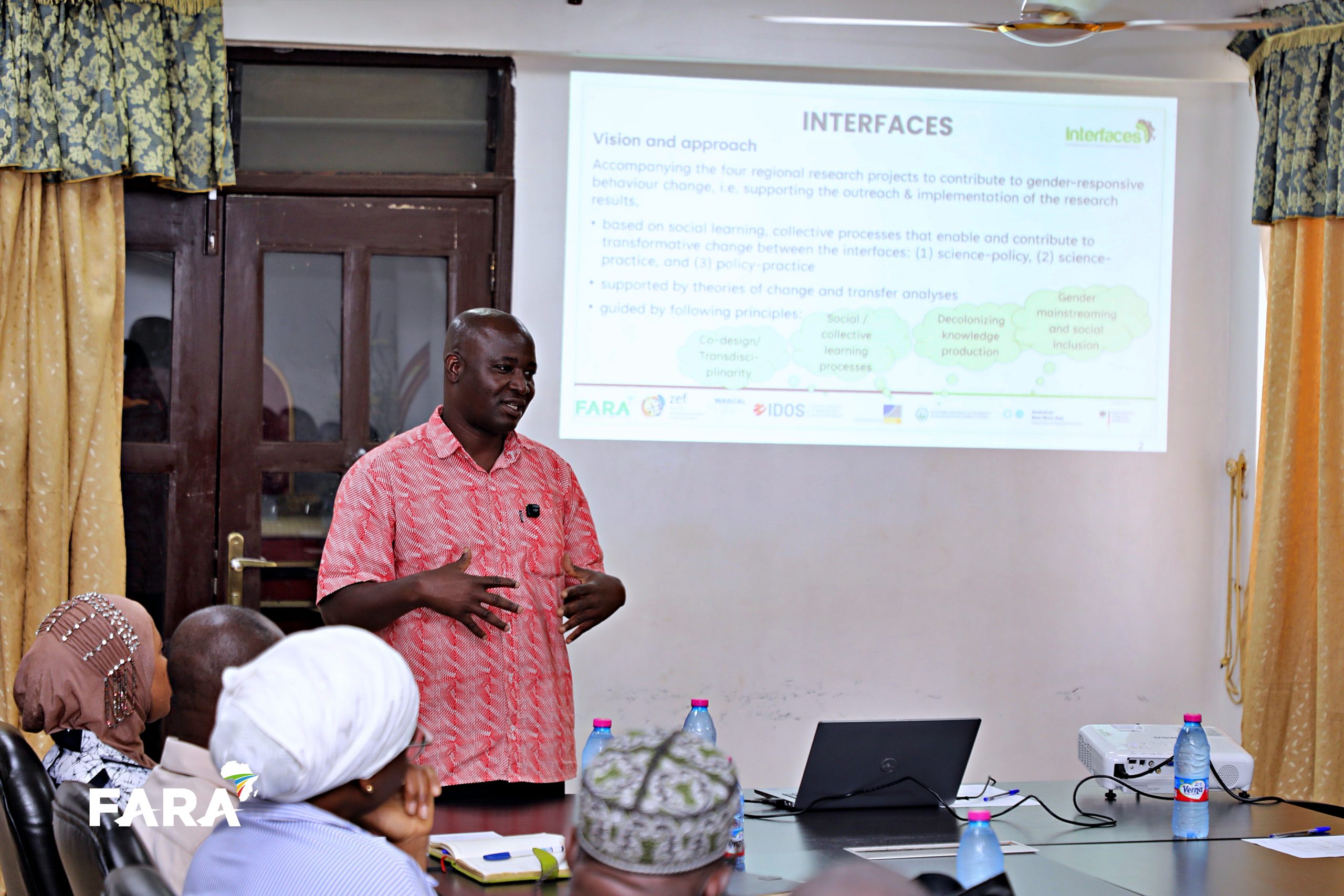
In his presentation, Dr David Anaafo of WASCAL provided an overview of the INTERFACES project, tracing its interventions and contributions to strengthening dialogue and collaboration among stakeholders within Ghana’s sustainable land management ecosystem.
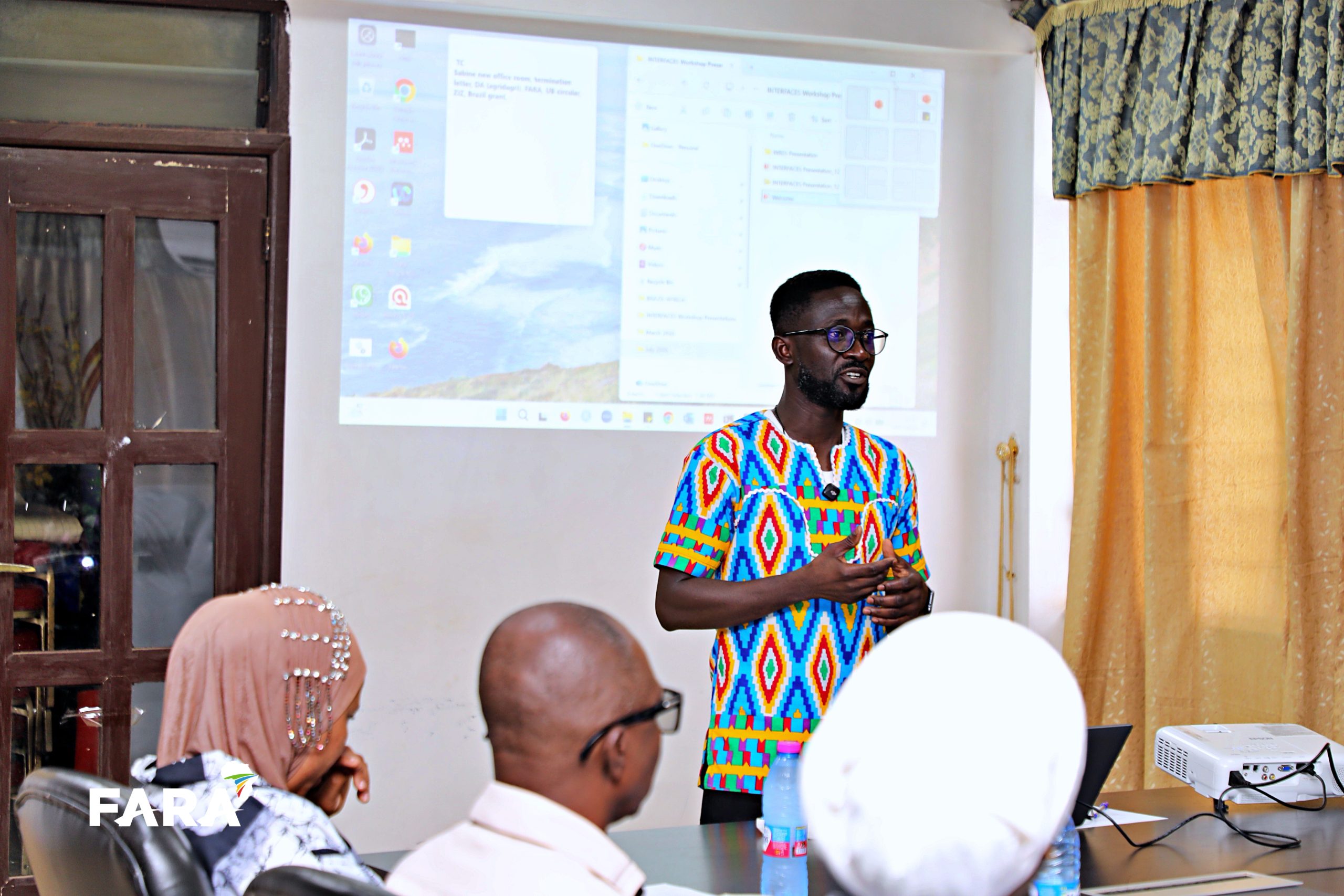
Dr Peter Asare-Nuamah of the Centre for Development Research at the University of Bonn-ZEF Bonn presented findings from the evaluation of the Participatory Learning Platform. The presentation and subsequent discussions examined four interrelated dimensions of the Platform’s performance:
- Stakeholder reactions to the collaborative process
- Learning and changes in knowledge and capacity
- Actions arising from joint learning
- Wider outcomes experienced by participating individuals, institutions, communities and networks.
The discussions indicated that the Platform had progressed beyond being a forum for occasional information sharing. It had helped build relationships among actors who previously worked largely within separate institutional and professional spaces, strengthened appreciation of different forms of knowledge and created opportunities for farmers and local stakeholders to engage researchers and decision-makers more directly.
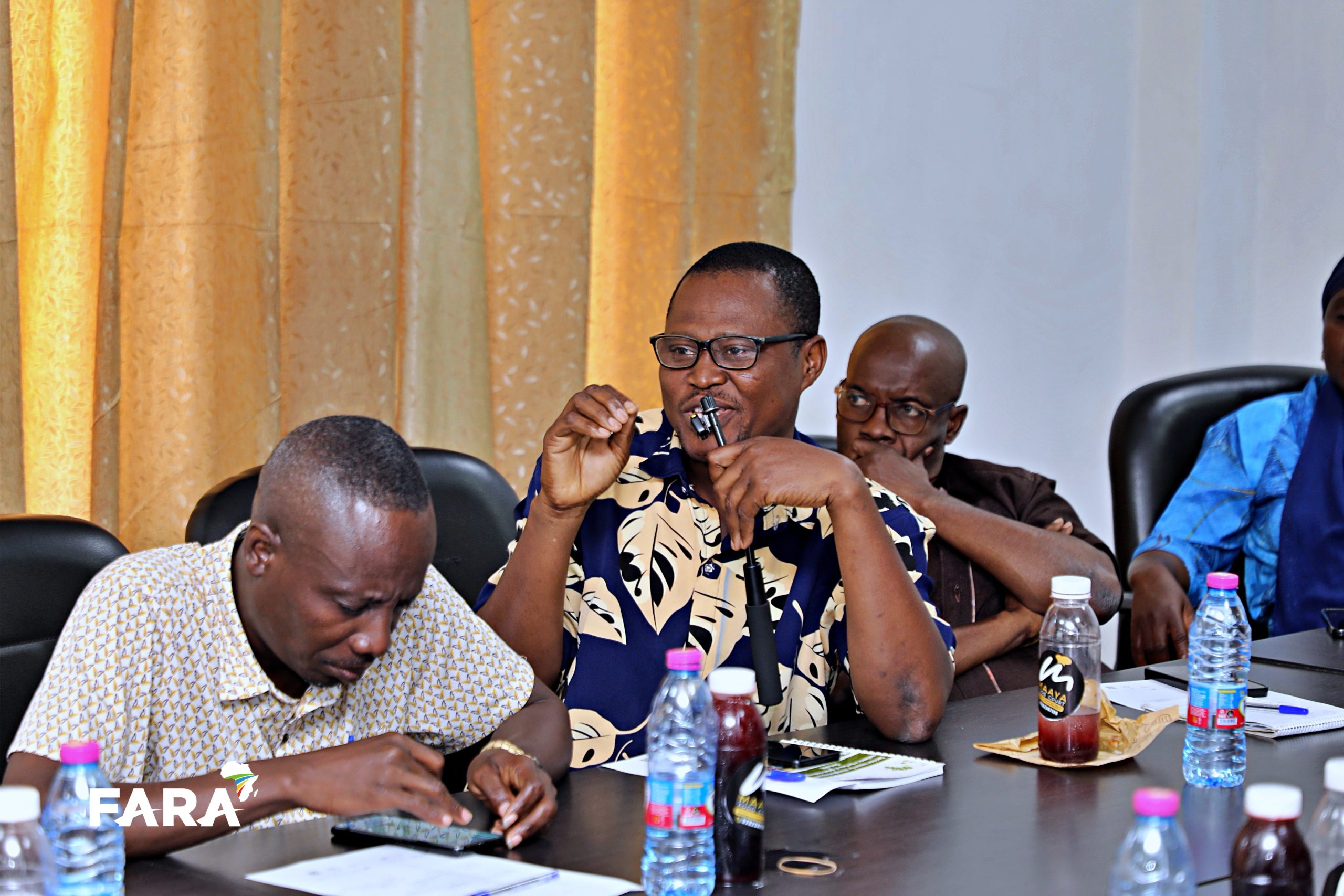
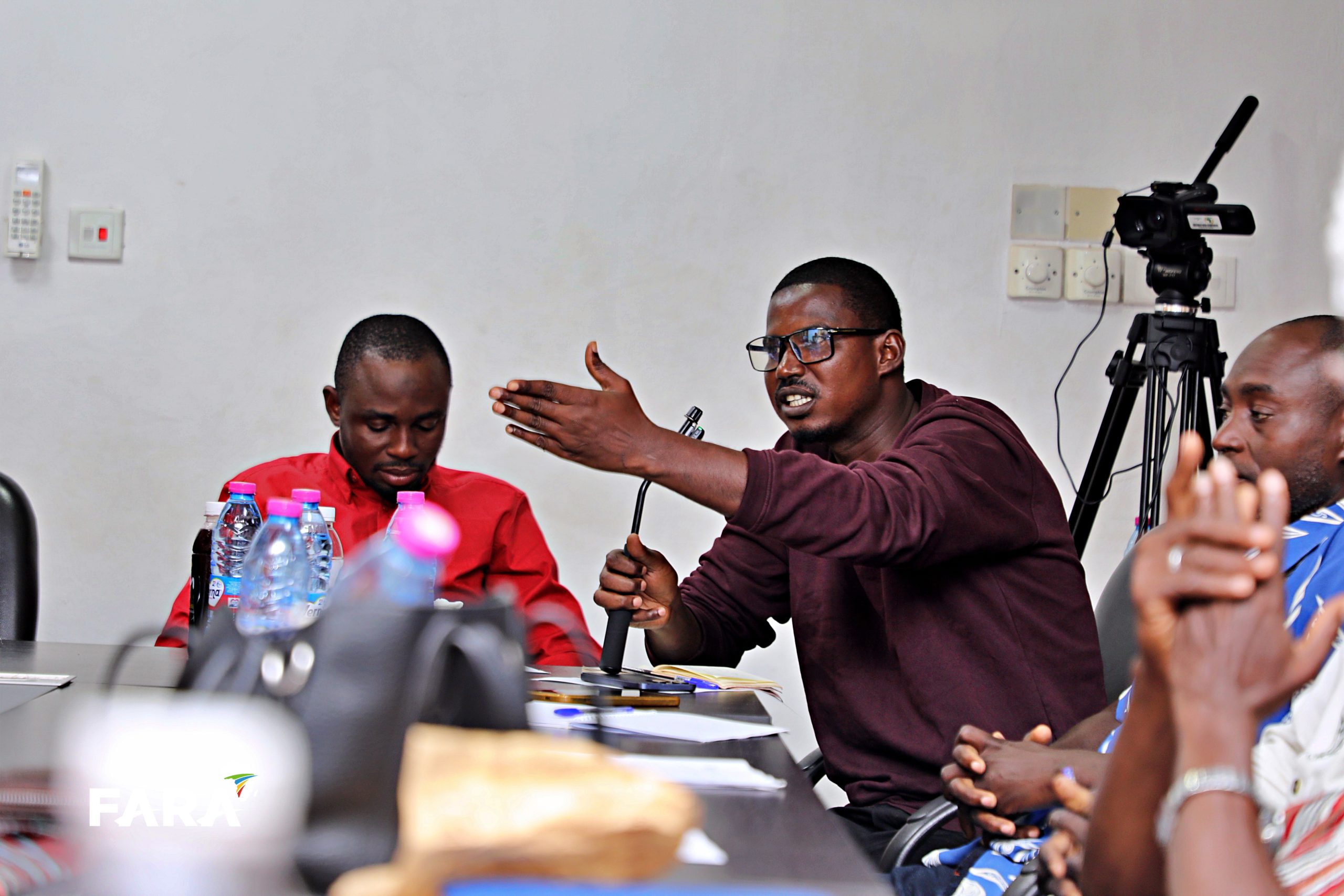
Participants also highlighted the Platform’s role in creating a more inclusive environment in which scientific evidence could be considered alongside farmers’ practical experiences, local knowledge, institutional perspectives and community priorities. This was considered particularly important for ensuring that research recommendations applied to the social, cultural, economic and ecological realities of northern Ghana.
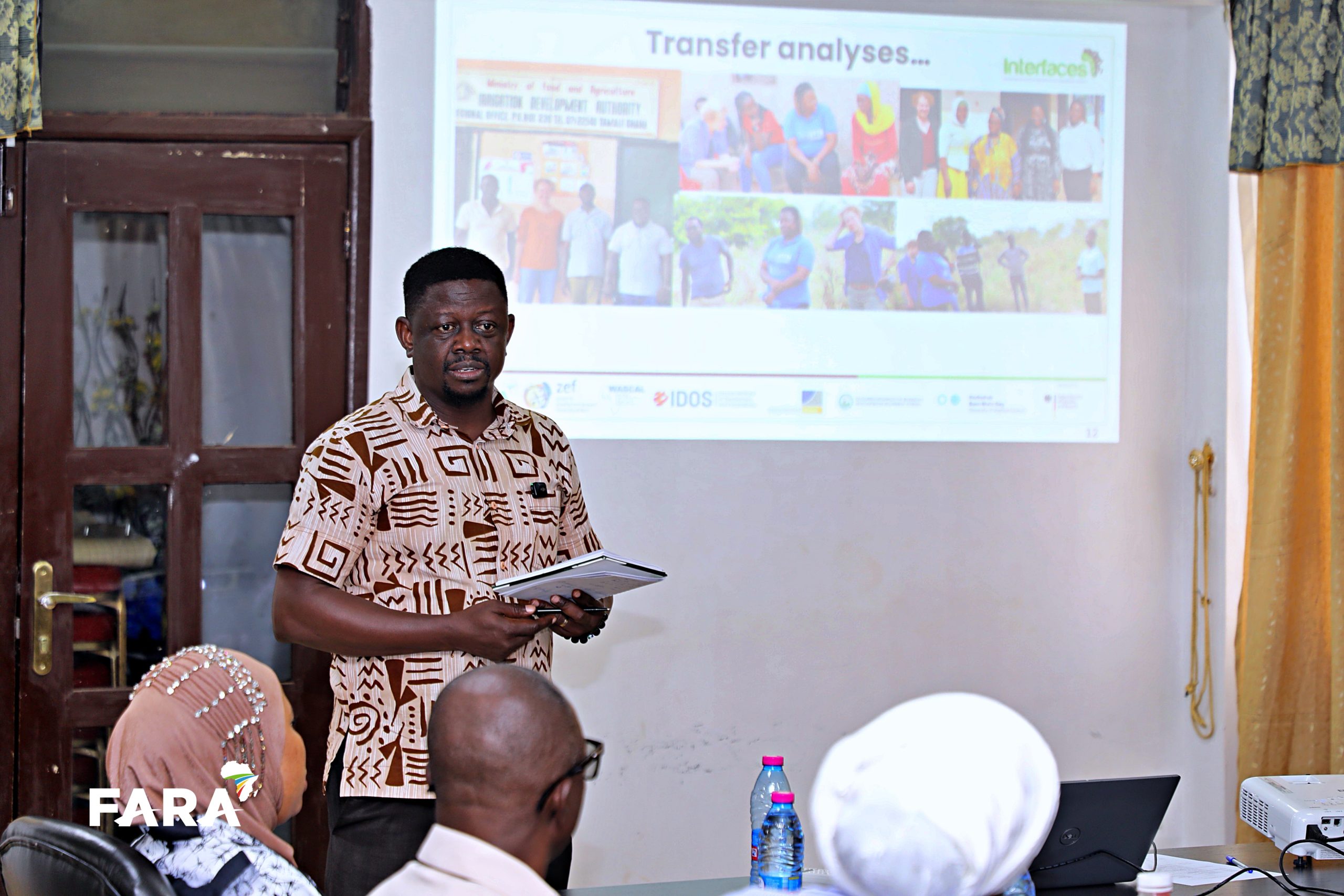
Representing the Forum for Agricultural Research in Africa, Mr Benjamin Abugri reflected on the knowledge-management, communication and institutional dimensions of sustaining the Platform. He emphasised the need to preserve the relationships, documented lessons, knowledge products, and communities of practice developed through INTERFACES and the associated regional projects.
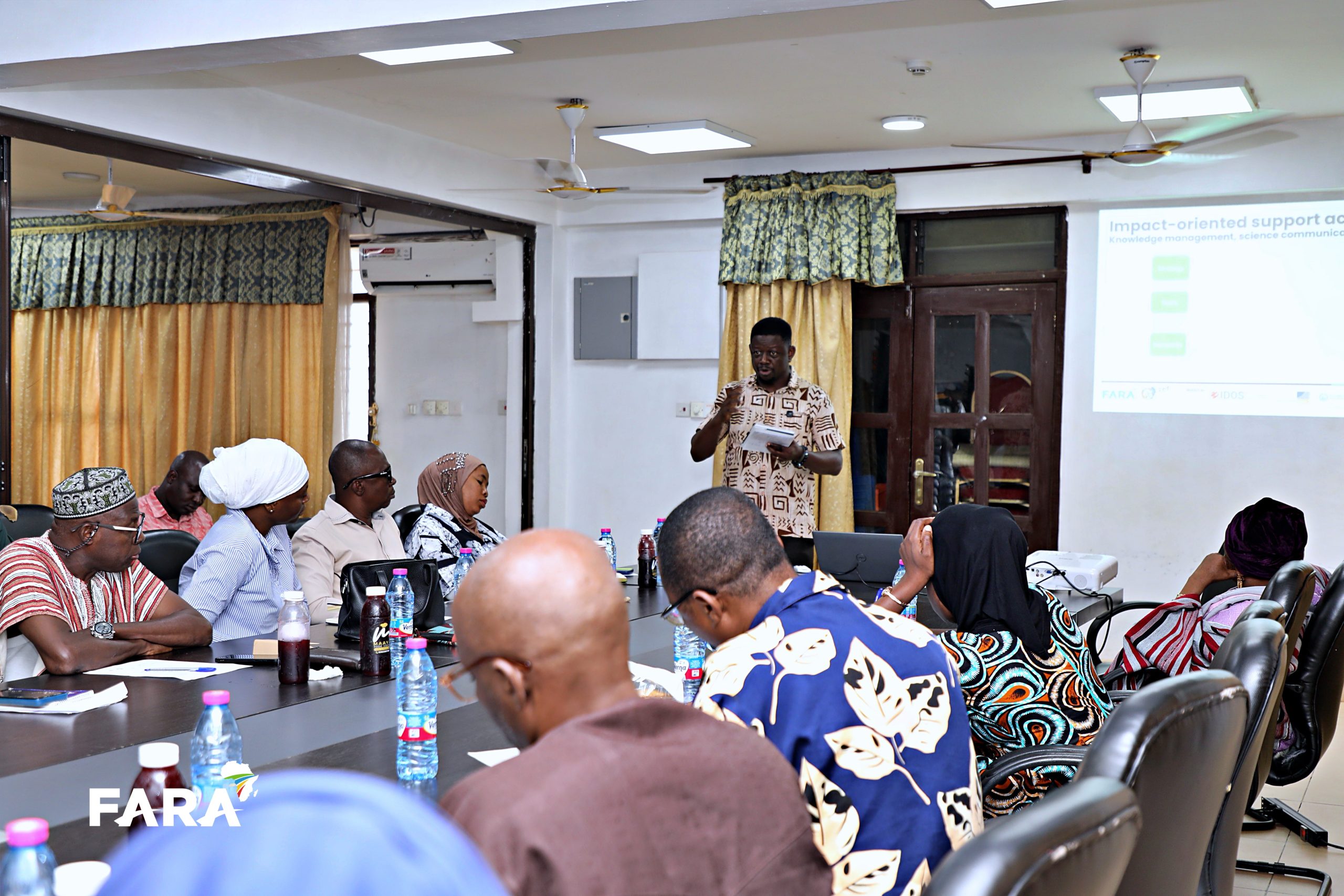
FARA indicated its commitment to promoting broader recognition and adoption of the Participatory Learning Platform model through its continental knowledge-management systems, professional communities and agricultural research and innovation networks. This would help connect the Ghana experience to wider discussions on participatory research, knowledge exchange and the scaling of sustainable land management innovations across Africa.
From project platform to enduring institutional mechanism
A major conclusion from the workshop was that the Participatory Learning Platform had demonstrated sufficient value to justify its continuation and possible replication.
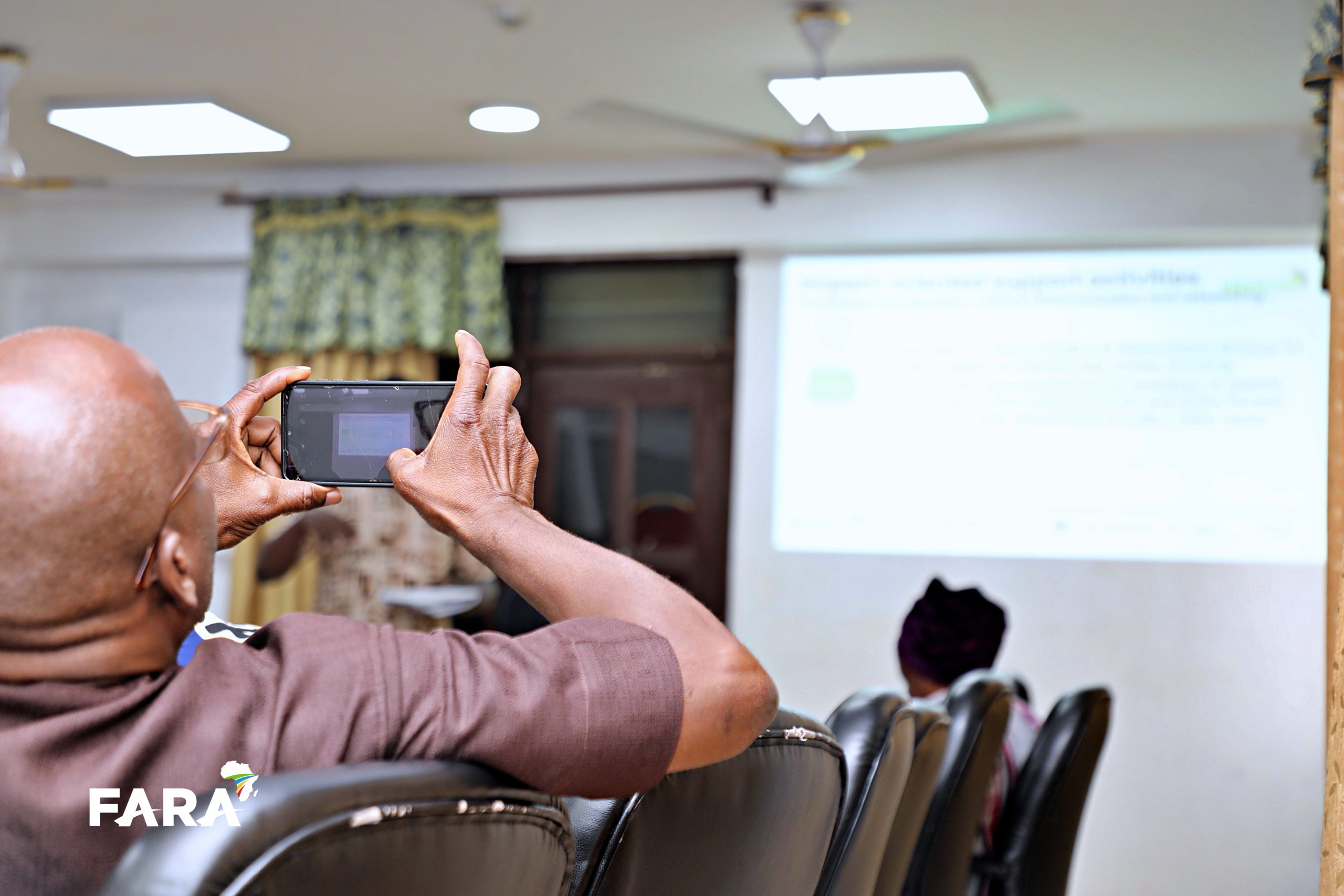
Participants nevertheless cautioned that sustainability would require deliberate institutional ownership rather than reliance on informal relationships or the continued availability of project funding. They proposed integrating the Platform into the programmes of participating research, extension and development institutions while maintaining regular opportunities for face-to-face and digital engagement.
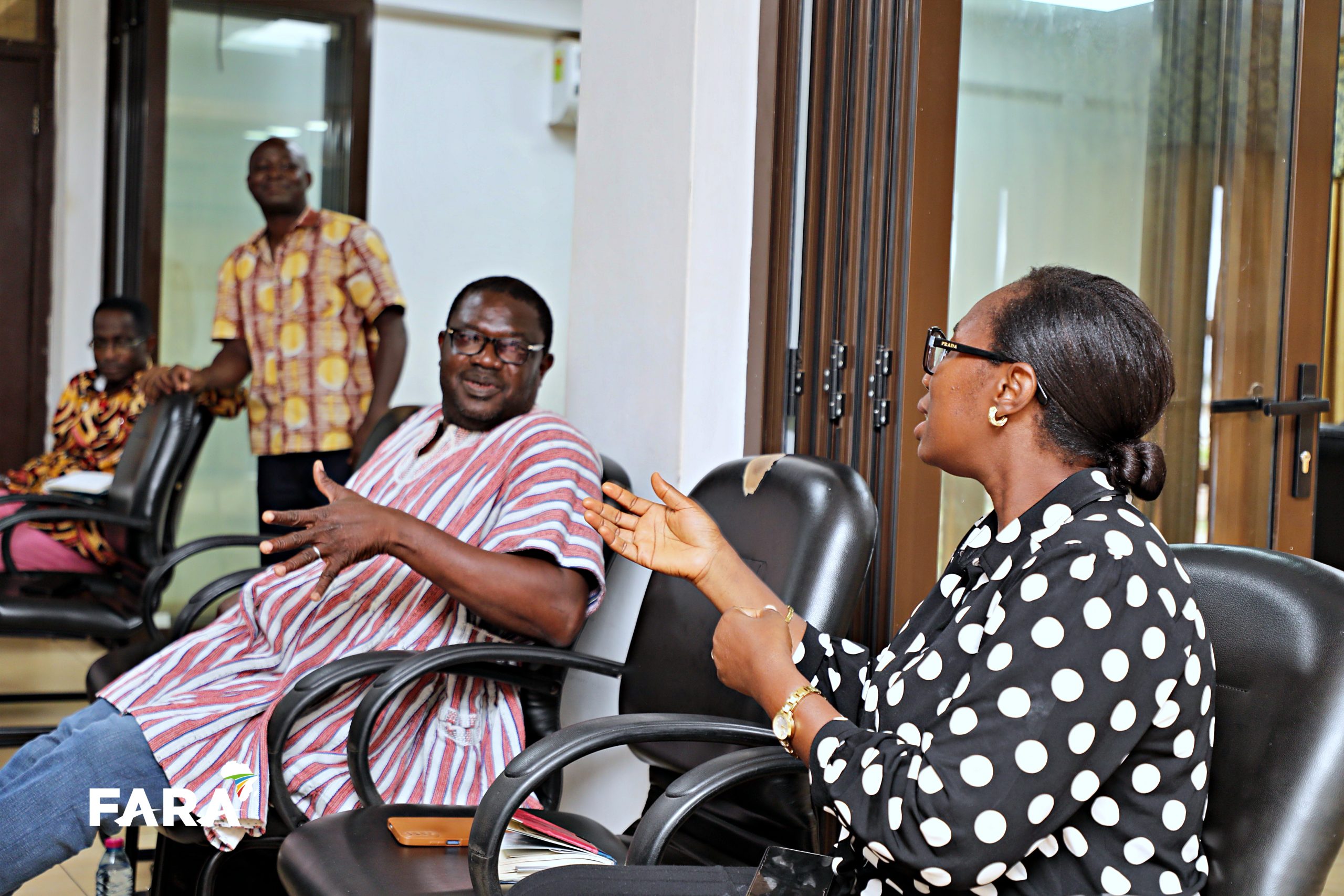
Other priorities emerging from the exit discussions included documenting the Platform’s methodology; packaging lessons and research evidence for policymakers and extension services; maintaining an accessible repository of knowledge products; strengthening the participation of farmer organisations and traditional authorities; and mobilising resources for continued facilitation and coordination.
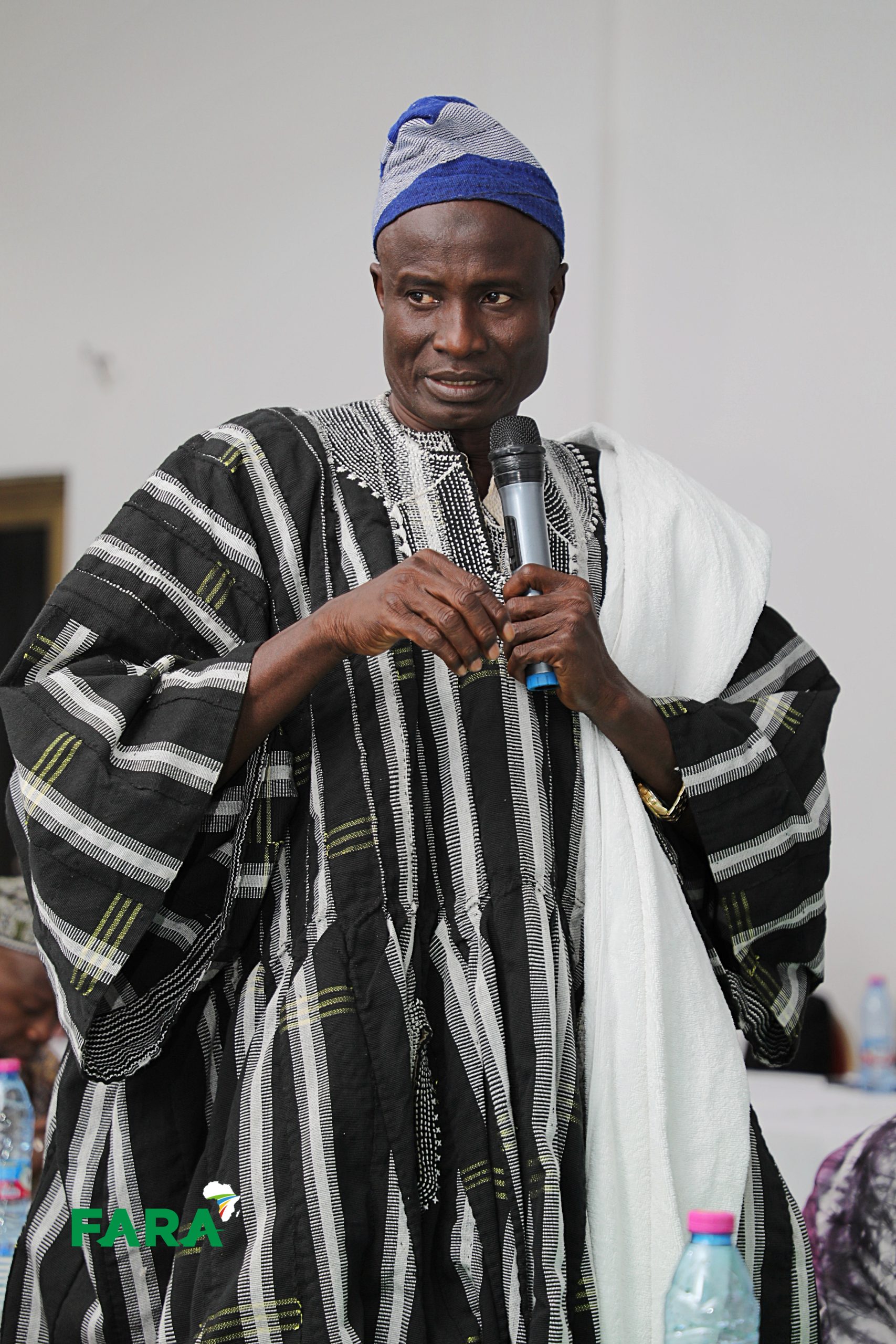
The involvement of chiefs in the workshop was considered especially significant. Land-management decisions in northern Ghana are closely connected to customary authority, land allocation and community-level relationships. Participants therefore stressed that traditional leaders should not merely be consulted at the end of research processes but should be engaged from the design stage through implementation, validation and scaling, as was demonstrated throughout the INTERFACES project period through the PLP.
Examining the prospects for fertiliser microdosing
The second day was devoted to validating a decision-analysis framework for promoting fertiliser microdosing in smallholder agriculture in northern Ghana.
Presented by Dr Asare-Nuamah, the framework responded to the challenges of declining soil fertility, rising fertiliser prices, restricted access to agricultural inputs and the vulnerability of northern Ghana’s farming systems to climate and environmental change.

Microdosing involves applying relatively small and carefully targeted quantities of fertiliser to crops. The approach has the potential to improve fertiliser-use efficiency, soil health, crop yields, farm income and household food security while reducing the amount farmers must spend on fertiliser. Despite this potential, adoption remains constrained by uncertainty about costs and benefits, limited technical knowledge and farmers’ exposure to production and market risks.
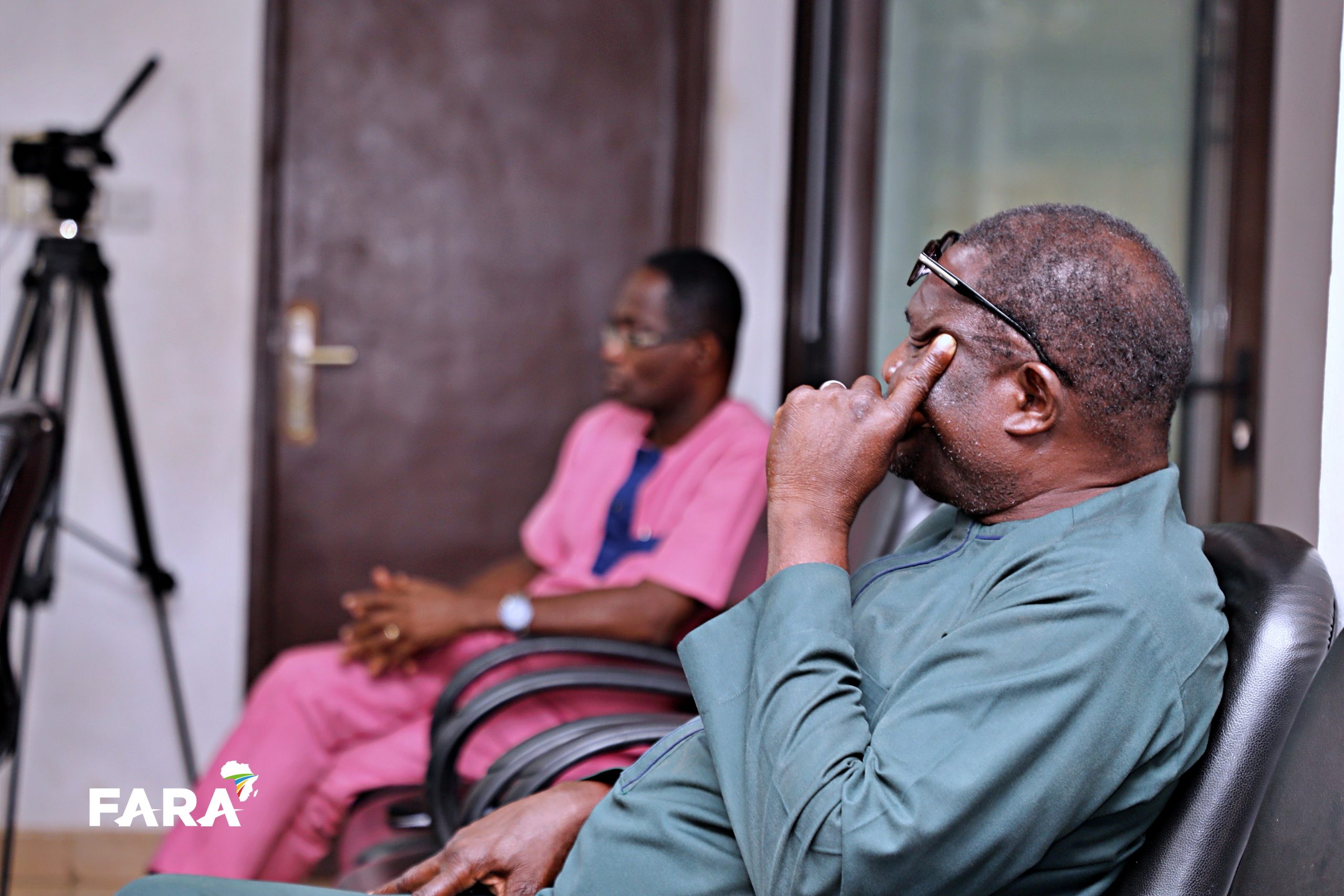
The decision-analysis framework compared prevailing farmer practices with one-, two- and three-time microdosing applications. It considered potential costs, yields, income, food-security outcomes, soil-health benefits and risks arising from droughts, floods, pests, input prices and market conditions. It also recognised farmers as the principal decision-makers while accounting for the influence of extension services, research institutions, civil society organisations, input dealers, farmer-based organisations, local leaders and public policy.

The preliminary evidence presented during the workshop indicated encouraging prospects for microdosing. Participants, however, emphasised that technical and economic results alone would not guarantee sustained adoption.
The ensuing discussion therefore examined the wider enabling environment, particularly land-tenure security, customary land arrangements, access to land by women and young people, extension support, access to quality inputs, affordability and the capacity of farmers to manage production risks.
Participants noted that farmers with insecure or short-term access to land may have little incentive to invest in practices whose benefits accumulate over several seasons.
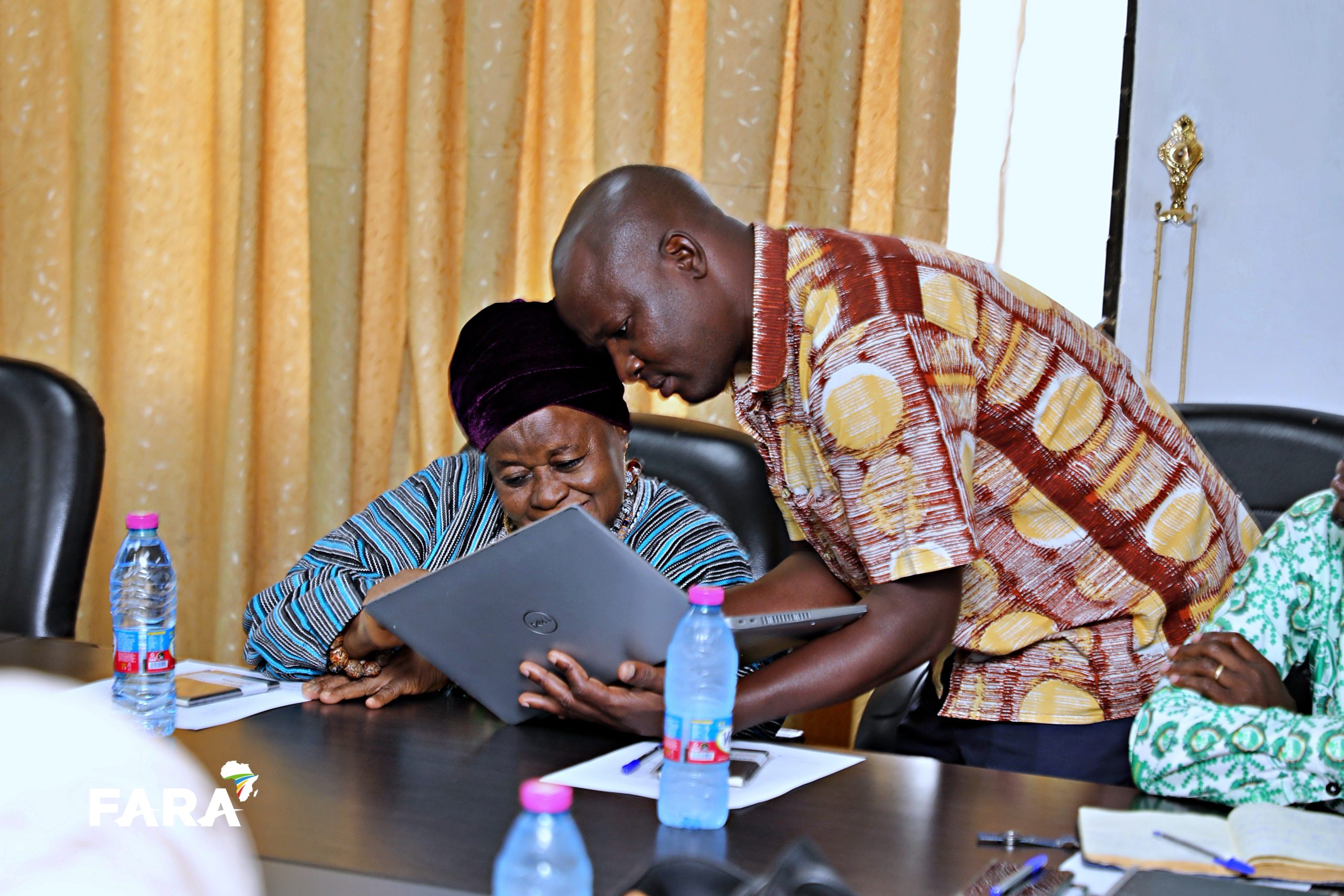
The participation of the chiefs enabled the workshop to connect the scientific analysis of microdosing with the institutional and customary realities governing land access. This reinforced the importance of involving traditional authorities in efforts to scale land-management innovations, particularly where adoption depends on secure land access, locally accepted arrangements and long-term stewardship.
Scaling impact beyond the life of the project
Across the two days, participants agreed that the most important measure of INTERFACES’ success would be the extent to which its lessons, relationships and innovations continued to influence decisions after the project’s closure.
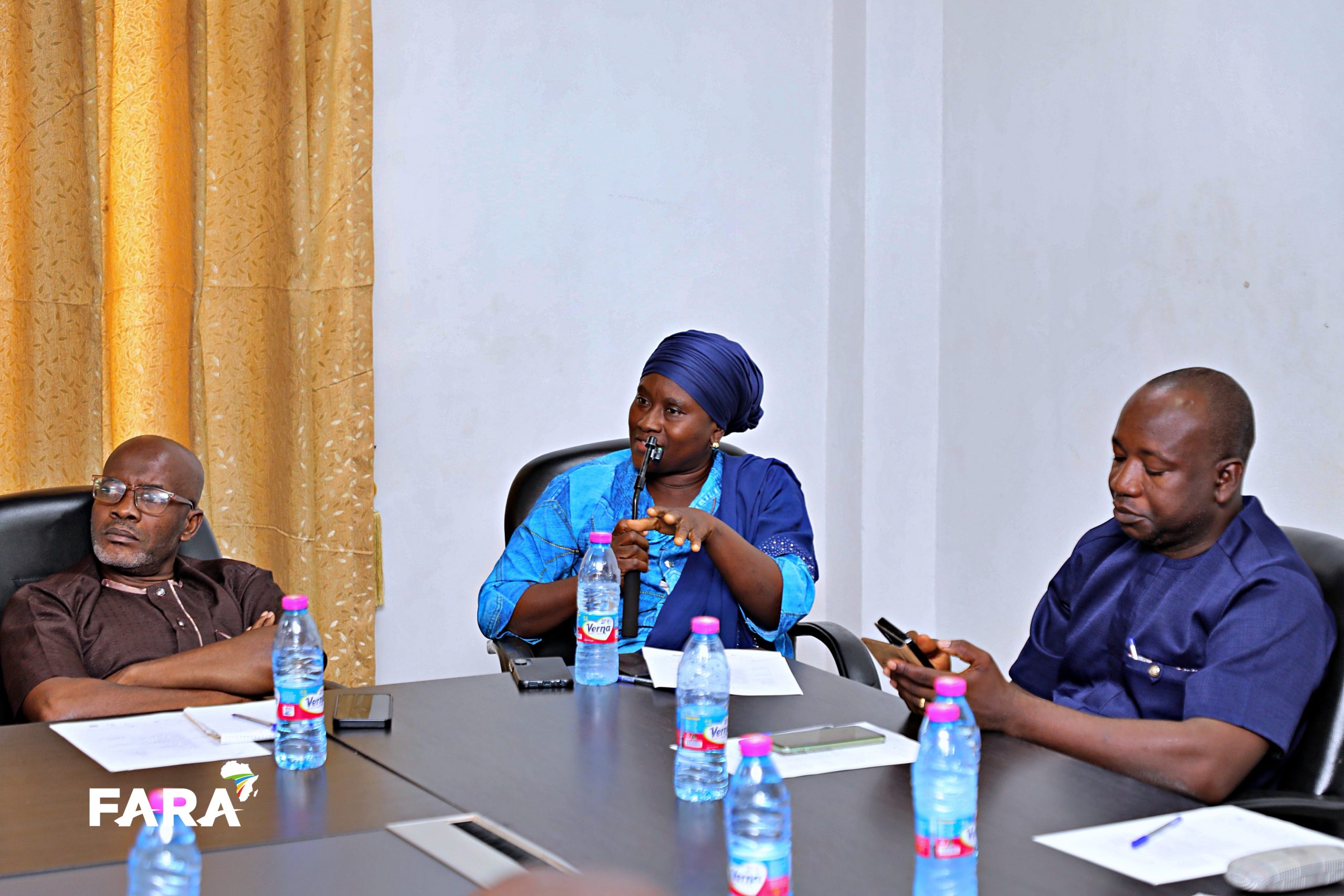
The workshop recommended a scaling approach that combines scientific validation with sustained stakeholder engagement. This includes strengthening collaboration among research, policy and extension institutions; supporting farmer-to-farmer learning; maintaining the Participatory Learning Platform; deepening the involvement of traditional authorities; translating research findings into practical extension and policy products; and continuing to refine innovations such as microdosing through locally grounded evidence.
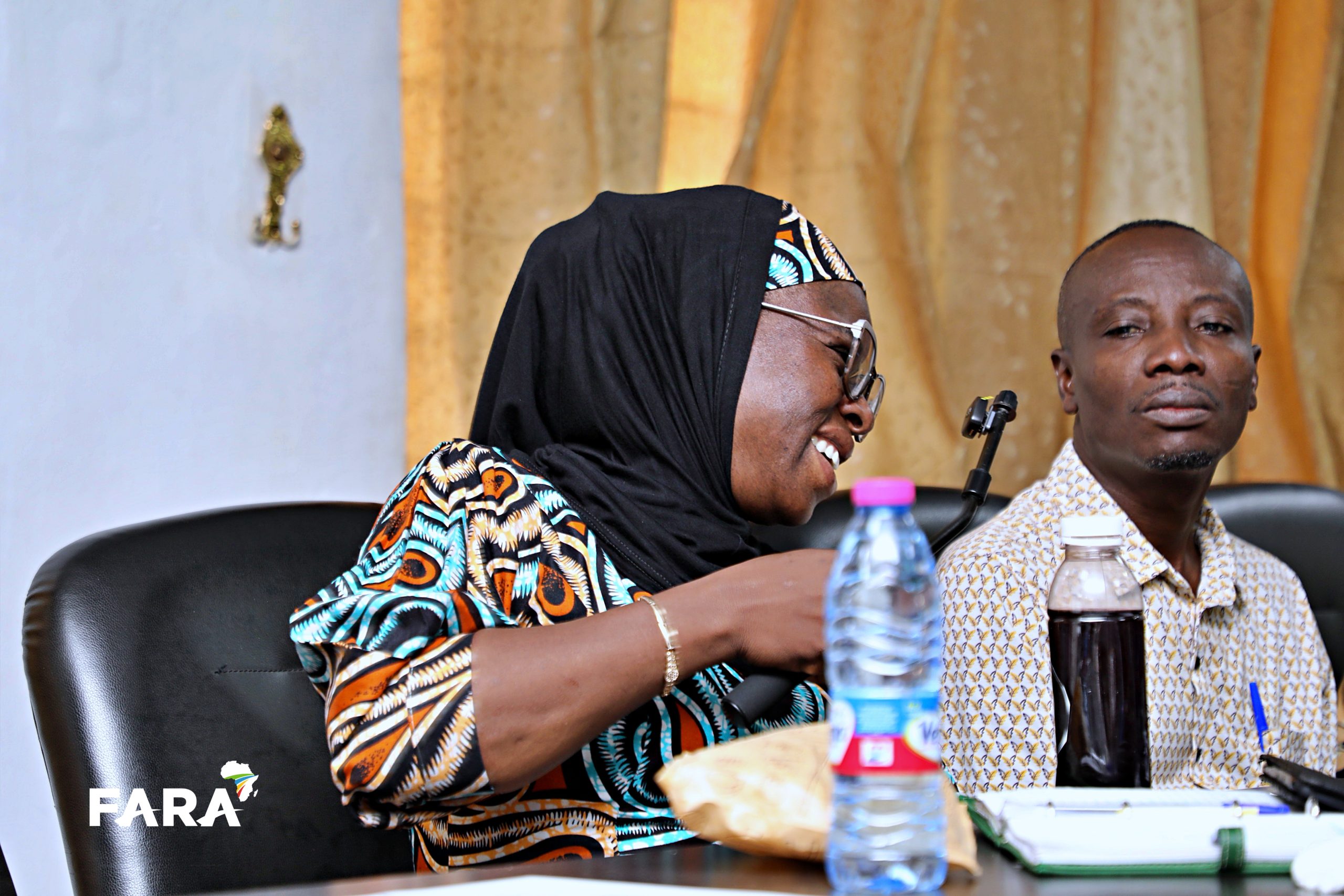
FARA’s commitment to promoting the Participatory Learning Platform offers an important pathway for extending the project’s influence. The Platform provides a practical model for connecting research with policy and implementation while ensuring that farmers and communities are recognised not only as beneficiaries but also as knowledge holders and partners in innovation.
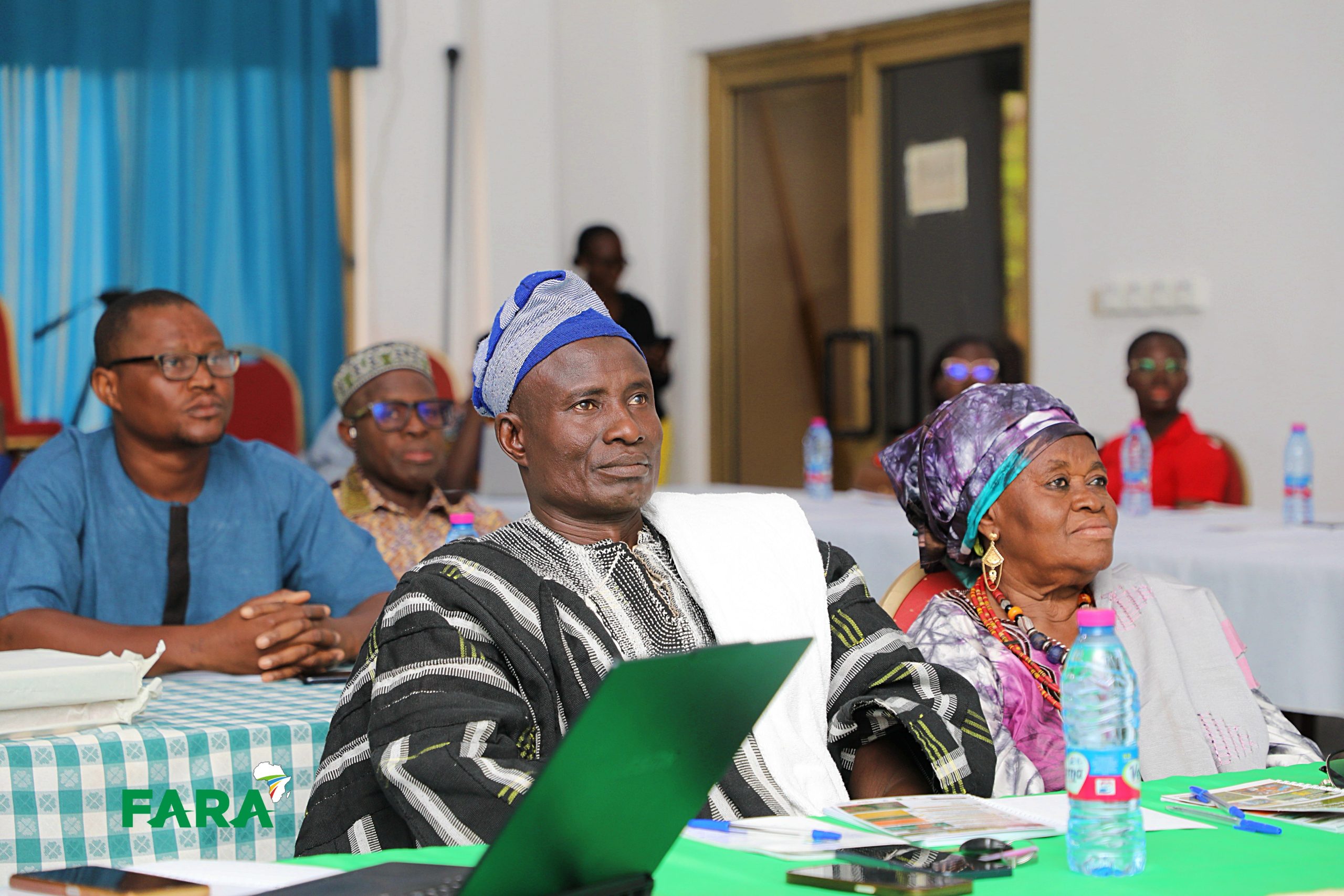
A closing moment marked by reflection and mourning
The INTERFACES workshop took place against a sombre backdrop, as Tamale and the wider Dagbon Kingdom mourned the reported passing of His Royal Majesty Yaa Naa Abukari II, Overlord of Dagbon.
The atmosphere of mourning gave added significance to the presence of the traditional leaders and to discussions about land, community responsibility and institutional continuity. It also underscored the enduring importance of traditional authority in safeguarding social cohesion, cultural identity and the stewardship of land and natural resources.
As partners bring the formal implementation of INTERFACES to a close, the project’s legacy extends beyond its research outputs and workshops. It resides in the relationships built among science, policy and practice; the capacities strengthened among participating stakeholders; and the Participatory Learning Platform that has demonstrated how inclusive knowledge processes can translate evidence into locally relevant and sustainable action.
The challenge now is to ensure that these gains are institutionalised, adequately resourced and expanded, so that the learning generated over the past three years continues to support resilient livelihoods, sustainable land governance and agricultural transformation in Ghana and across Africa. This is where the call for partners, funders and stakeholders not reinventing the wheel but building on these gains cannot be overemphasised.
